How to Choose Anti Ligature Door Hardware: A Specifier's Checklist
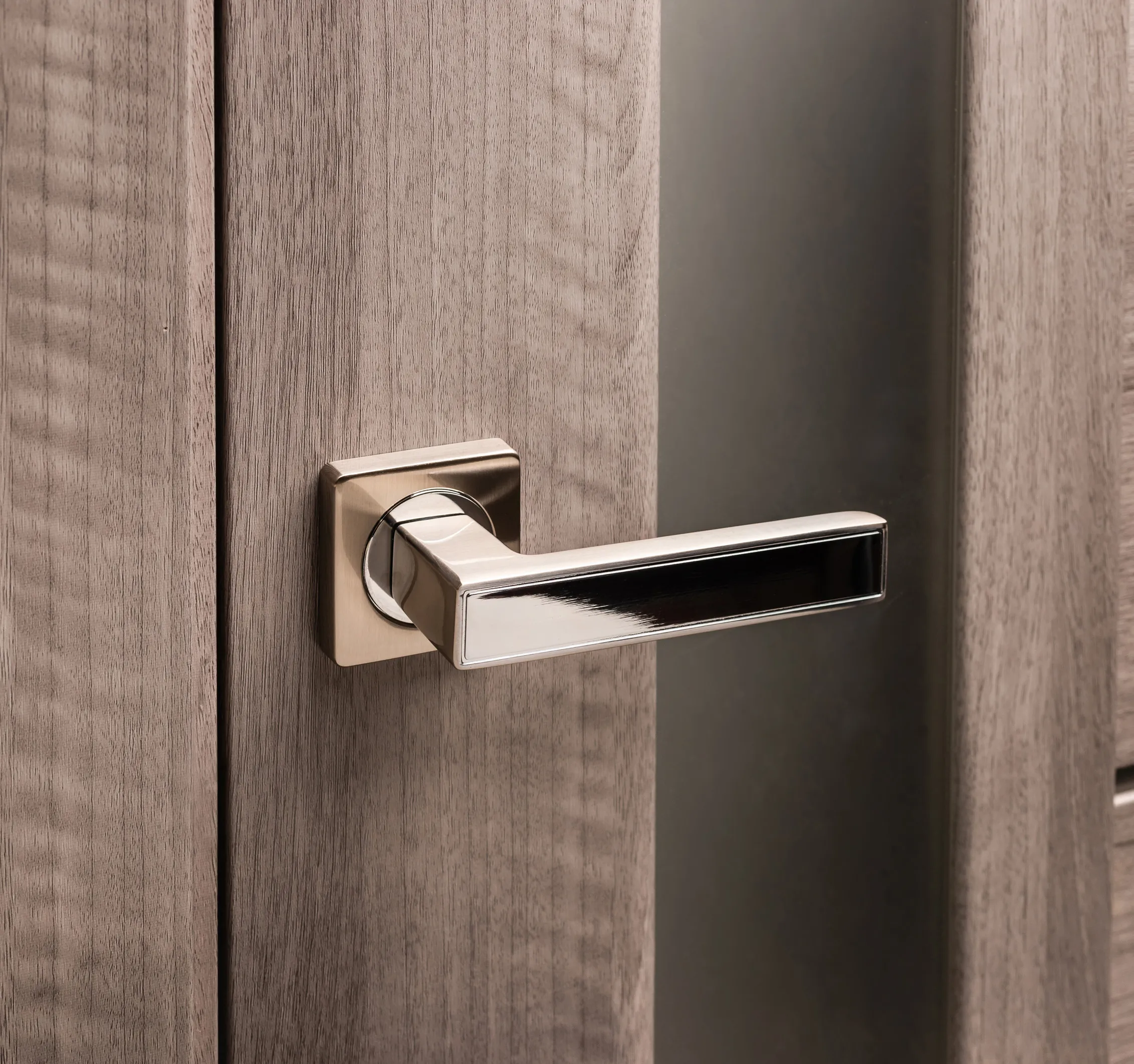
Anti ligature door hardware should be chosen through a ligature risk assessment of each area. Look for handles with sloping or curved profiles and no gaps where a cord or fabric could be attached, tamper-resistant fixings, strong construction and easy-clean finishes. Hardware should still be simple to use and look domestic, and lower-risk areas can use matching standard hardware.
Choosing door hardware for a mental health unit is both a safety decision and a design decision. Doors and their fittings are common potential ligature points, so every handle, lock and fixing must be considered as part of the complete doorset.
At the same time, the building should feel calm, comfortable and as non-institutional as possible. Good anti ligature door handles balance these requirements without making doors unnecessarily difficult to operate.
Start with a ligature risk assessment
There is no single hardware specification suitable for every door. Begin with a ligature risk assessment covering the room, its users, the level of supervision and how the door will operate.
Patient bedrooms, en-suite bathrooms and other areas without constant supervision will normally require different solutions from staff offices, stores and controlled corridors. The assessment should be completed by the appropriate clinical, estates and design teams before products are selected.
Anti ligature handle features to check
| Feature | Why it matters |
|---|---|
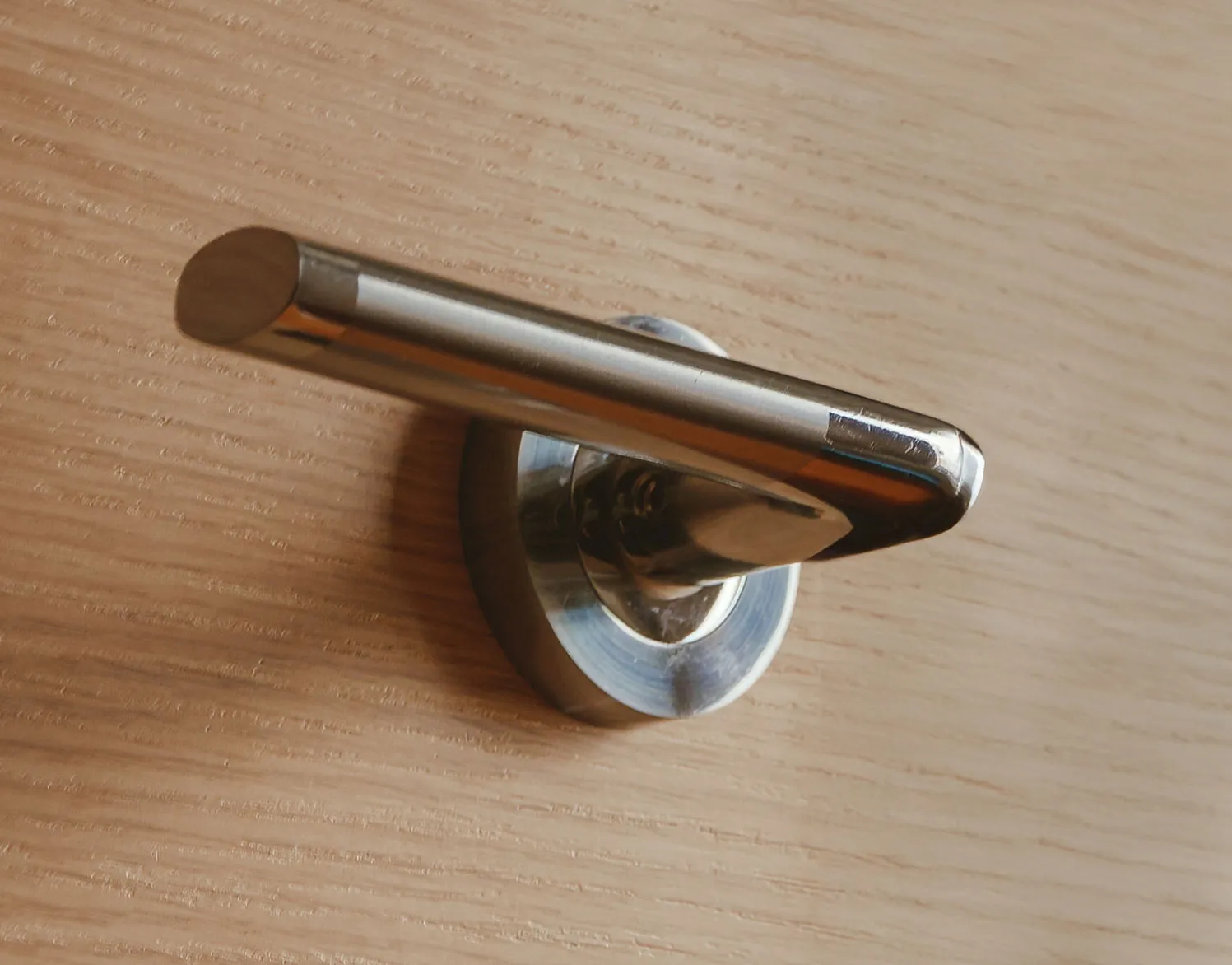
| Sloping or curved profile | Helps a cord, belt or piece of fabric slide off instead of remaining attached. |
| No gaps or deep recesses | Reduces the number of places where material could be secured. |
| Tamper-resistant fixings | Helps prevent the hardware being removed or loosened using everyday objects. |
| Robust construction | Allows the product to withstand frequent use and attempts to use it as a weight-bearing point. |
| Smooth, joint-free surfaces | Makes the handle easier to clean and provides fewer places to grip or conceal material. |
| Intuitive operation | Keeps the door straightforward to operate for patients, visitors and staff. |
Where should anti ligature hardware be fitted?
The final decision must follow the project’s risk assessment, but anti ligature hardware is commonly considered for:
- Patient bedrooms and en-suite bathrooms
- Communal and assisted bathrooms
- Lounges and therapy rooms without continuous supervision
- Assessment rooms and other identified high-risk areas
Staff offices, stores, controlled corridors and lower-risk areas may be suitable for standard hardware. Where this is permitted, matching finishes and related designs can help maintain a consistent appearance throughout the building.
Check the fixings as well as the handle
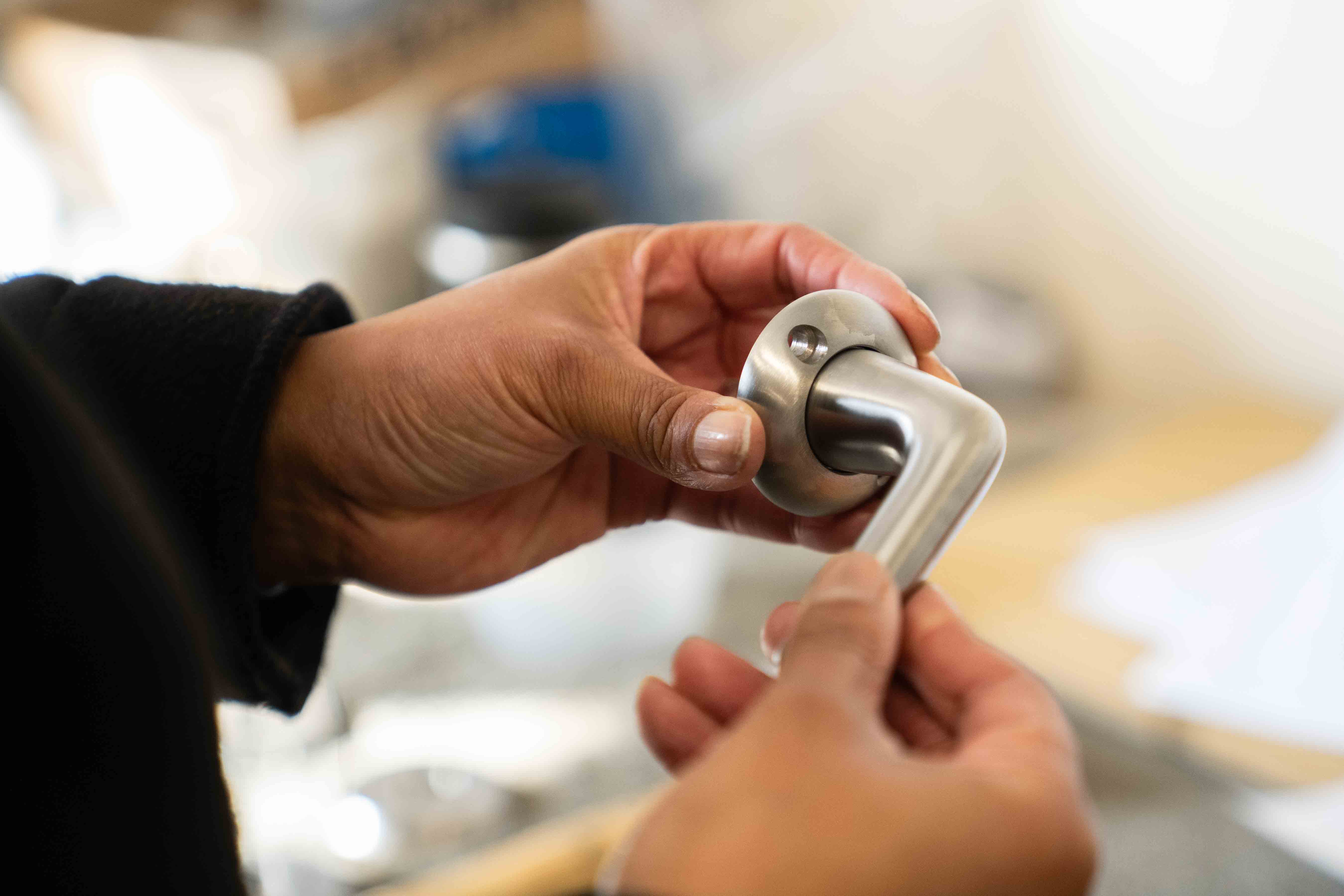
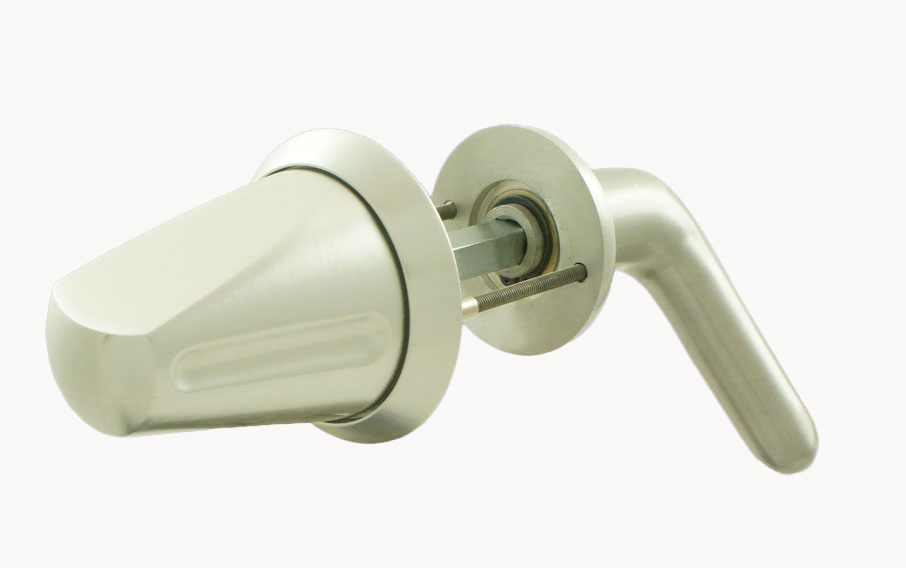
A suitable lever profile is only one part of the specification. Fixings should be concealed or tamper-resistant and appropriate for the door construction. The spindle, roses, escutcheons and lock furniture must work together as a complete assembly.
Ask how the product has been constructed, how it is fixed through the door and whether replacement parts will remain available. This is particularly important in buildings where hardware will experience intensive use.
Choose durable, easy-clean finishes
Mental health and secure healthcare environments require surfaces that can withstand regular cleaning while retaining their appearance. Stainless steel and high-grade satin finishes are commonly specified because they are durable and straightforward to maintain.
Where additional hygiene protection is required, Dortrend can provide its TouchClean® anti-microbial coating on suitable products. Powder-coated and split-finish options may also help the hardware coordinate with the interior design or improve visual contrast.
Consider the complete doorset
Anti ligature safety does not stop at the lever handle. Review every component fitted to the door, including:
- Hinges and pivots
- Door closers
- Locks and escape hardware
- Pull handles and push plates
- Vision panels and associated fittings
- Door stops and other surrounding hardware
The complete assembly must also meet the project’s requirements for fire safety, accessibility, security and emergency operation. Dortrend’s healthcare door hardware range can be coordinated as part of the wider doorset specification.
Matching hardware in lower-risk areas
A mental health facility does not need to look institutional. Related standard hardware can be used in lower-risk areas where the assessment permits it, helping the interior maintain a consistent and more domestic appearance.
Finishes, lever proportions and complementary accessories can be coordinated with Dortrend’s wider range of architectural door handles.
Specifier’s checklist
- Has a ligature risk assessment been completed for this specific door?
- Does the handle have a sloping or curved profile?
- Are there any gaps, recesses or projections that could retain material?
- Are all accessible fixings tamper-resistant?
- Is the hardware suitable for the door, lock and spindle arrangement?
- Can the product withstand intensive use and regular cleaning?
- Is it simple for patients and staff to operate?
- Are compatible replacement parts readily available?
- Have the hinges, closer, lock and surrounding fittings also been assessed?
- Can matching standard hardware be used safely in lower-risk areas?
Experience in mental health environments
Dortrend manufactures anti ligature handles in its Worcester factory and can help specifiers coordinate specialist and standard hardware across a project.
Dortrend products have been supplied for healthcare projects including St Ann’s Hospital in Poole and the Norton Wing at St George’s Hospital in Stafford.
Anti ligature door hardware FAQs
What is an anti ligature door handle?
An anti ligature door handle is shaped and fitted to reduce the possibility of a cord, belt, fabric or similar material being secured around it. It commonly uses a sloping or curved profile, minimal gaps and tamper-resistant fixings.
Who decides where anti ligature hardware is needed?
The decision should follow a project-specific ligature risk assessment completed by the appropriate clinical, estates, design and safety teams. The required solution may differ between rooms within the same building.
Are anti ligature handles harder to use?
They should not be. A well-designed handle remains intuitive and comfortable to operate while reducing potential attachment points.
Can anti ligature hardware match the rest of the building?
Yes. Specialist hardware can be coordinated with related standard products in lower-risk areas, subject to the risk assessment. Consistent finishes help create a calmer and less institutional interior.
What finishes are available?
Options may include stainless steel, satin finishes, powder-coated colours, split finishes and suitable products treated with TouchClean® anti-microbial coating. Availability depends on the selected product.
Can Dortrend provide technical information?
Yes. Dortrend can provide product information and discuss handles, finishes and compatible hardware for a project. Final selection must remain part of the project team’s complete risk assessment and doorset specification.
Discuss your anti ligature hardware specification
For help selecting anti ligature handles and coordinating hardware for mental health or secure healthcare environments, call Dortrend on 01299 827837 or contact the Dortrend team.