How Are Bespoke Door Handles Made? From Sketch to Finished Handle
Bespoke door handles are made in six main stages: a brief, CAD design, a 3D printed prototype to check size and feel, a sample in the chosen metal and finish, manufacture on CNC lathes and mills, and hand polishing and finishing. Simple adaptations of existing designs are quicker than completely new handles, and the timescale is set once the brief is agreed.
A bespoke door handle can start as a pencil sketch, a photograph of a broken original or a line in an architect’s specification. Turning that idea into a solid metal handle that works reliably on a real door takes several carefully checked stages.
Here is how bespoke door handles are developed and manufactured at our Worcester factory, where Dortrend has been making door hardware since 1972.
Stage 1: the brief
Every bespoke project begins with a clear brief. Before designing the handle, we need to understand where it will be installed, how it will be used and what it must work with.
Useful information includes:
- Drawings, sketches or reference photographs
- Door types, thicknesses and materials
- Locks, latches or cylinders
- The required material and finish
- The number of doors and approximate timescale
- Any applicable accessibility, fire, security or performance requirements
You do not need to arrive with a completed technical drawing. A photograph, rough sketch or initial conversation can be enough to begin developing the idea.
Stage 2: CAD design
The concept is developed using SolidWorks CAD software. This allows the proportions, dimensions, fixing points and mechanical details to be checked before any metal is cut.
At this stage, we consider whether the handle will feel comfortable in the hand, provide suitable clearance from the door and escutcheon, return correctly and remain securely fixed during repeated use.
Changes are much easier and less expensive to make to the digital model than to a finished metal component, so the design is refined and agreed before production progresses.
Stage 3: a 3D-printed prototype
For a completely new design, a full-size prototype can be produced using one of our in-house 3D printers.
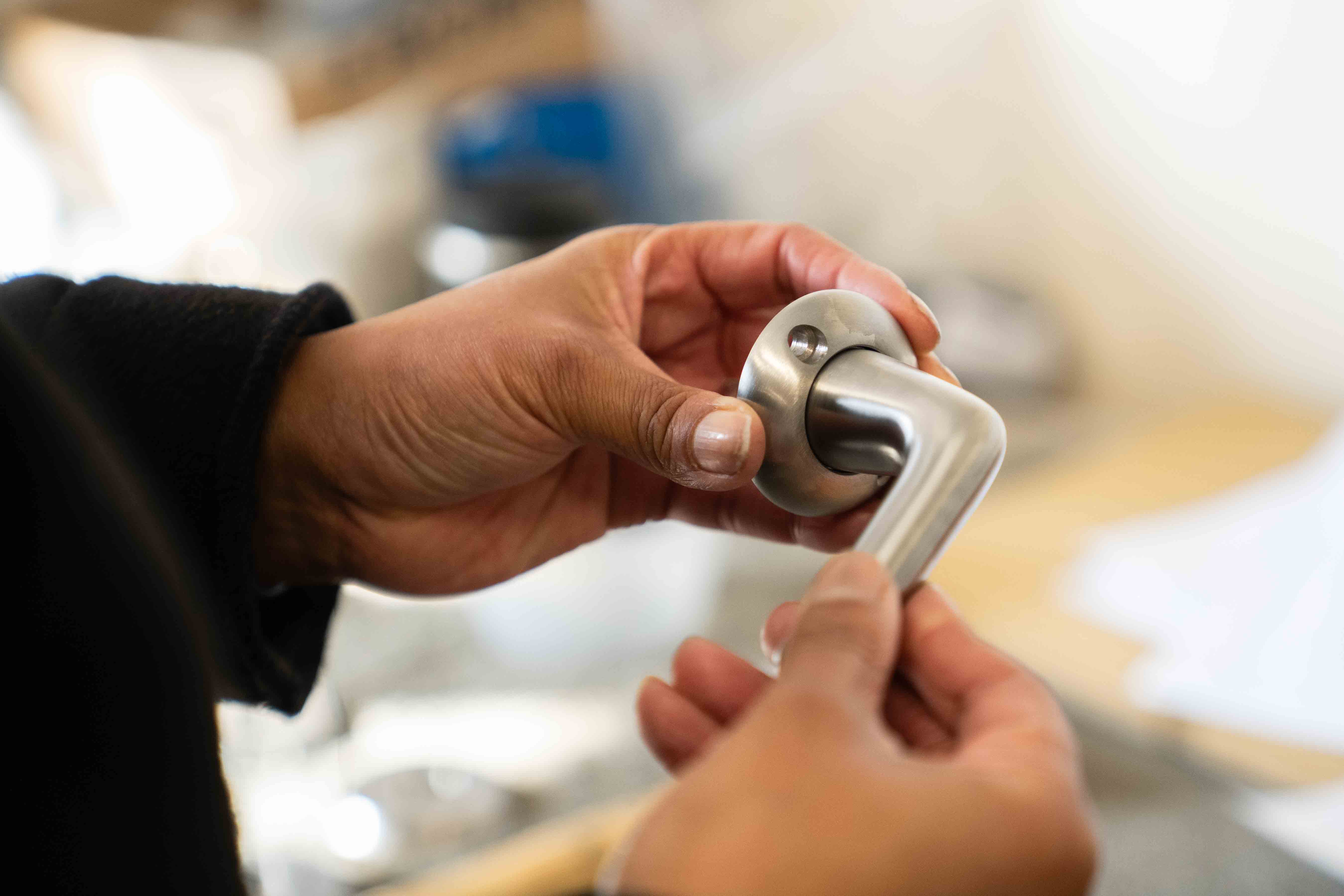
The prototype allows the client and manufacturing team to hold the handle, assess its proportions and check practical details that may not be obvious on a screen. Lever length, grip diameter, clearances and the relationship between the handle and its rose or backplate can all be reviewed before committing to metal.
Stage 4: a sample for approval
Once the design has been approved, a sample can be manufactured in the proposed metal and finish.
This is particularly useful when specifying living brass, bronze, hand-applied patinas or other finishes whose colour, texture and character need to be assessed on the actual product.
The sample also allows the client to judge the handle’s weight, balance, surface quality and overall appearance before the full order enters production.
Stage 5: manufacture
The approved design is manufactured at our Worcester factory using the most appropriate combination of CNC machining, traditional engineering and fabrication.
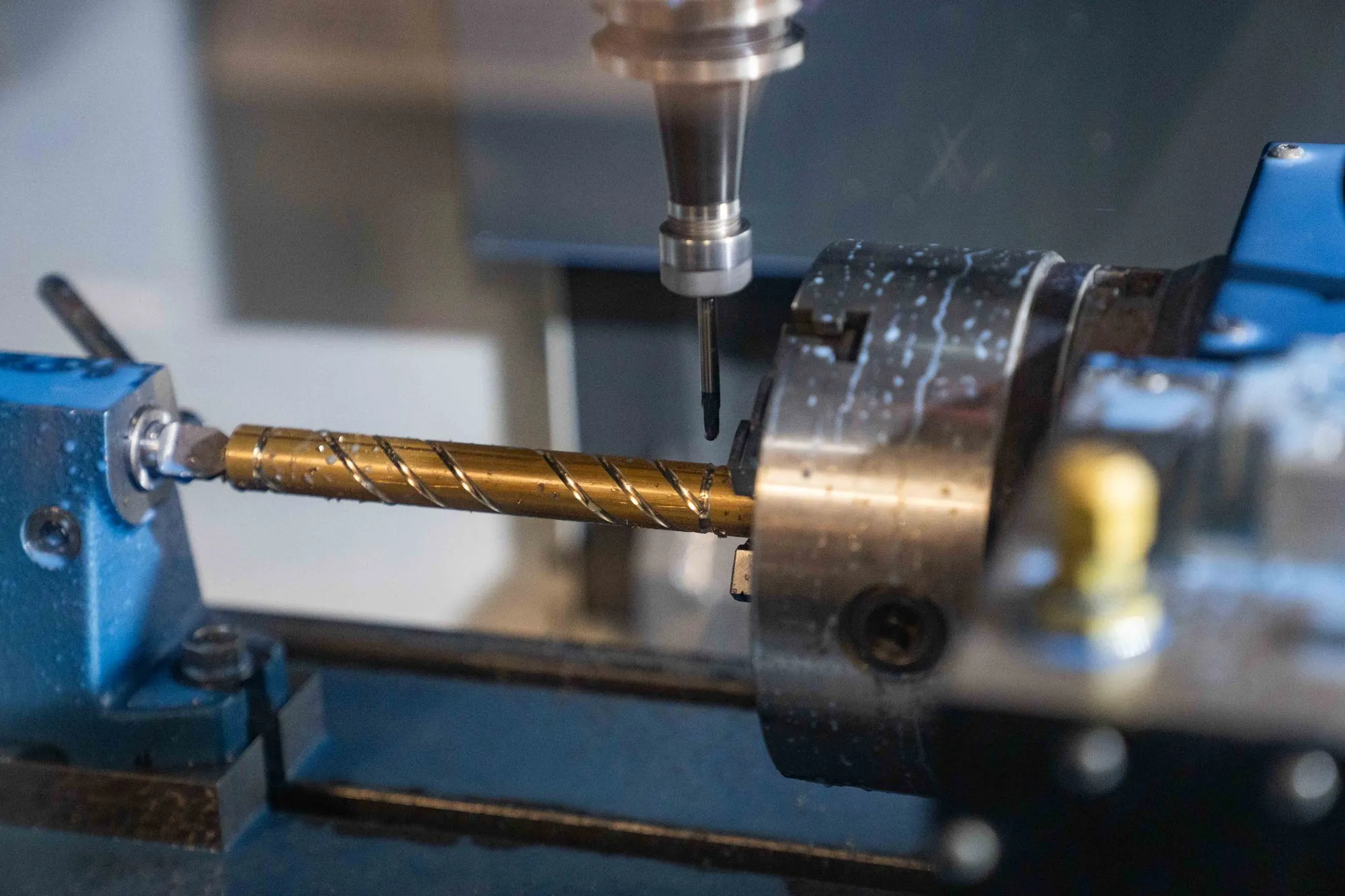
Our manufacturing equipment includes Haas CNC lathes and milling machines, manual lathes and millers, grinding equipment, fibre-laser cutting, laser welding and fibre-laser marking.
Different processes may be combined within one project. CNC machinery provides repeatability and precision, while skilled manual work allows unusual forms, specialist details and smaller quantities to be produced correctly.
Stage 6: polishing and finishing
Machining creates the component, but much of its final character comes from polishing and finishing.
Handles can be polished on twin-spindle lathes and finished by hand to achieve the required surface. Depending on the specification, the product may then receive a hand-applied patina, specialist coating, powder-coated colour or our TouchClean® antimicrobial treatment.
Every completed item is checked for its finish, dimensions, operation and overall quality before leaving the factory.
What can be customised?
| Element | Options |
|---|---|
| Size | Lever length, rose diameter, pull-handle length and bar diameter |
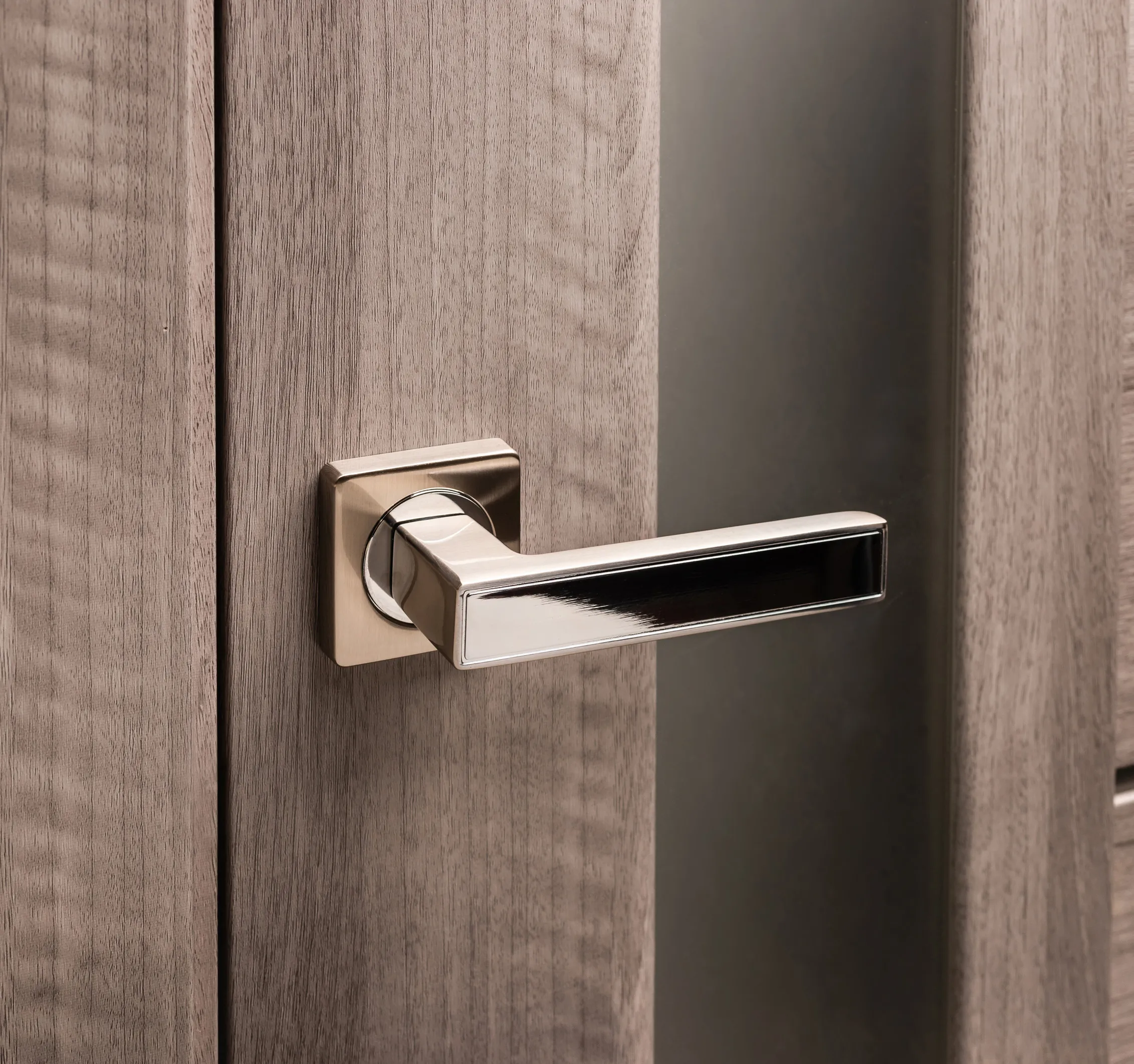
| Profile | Round, square, flat, faceted or a completely new profile |
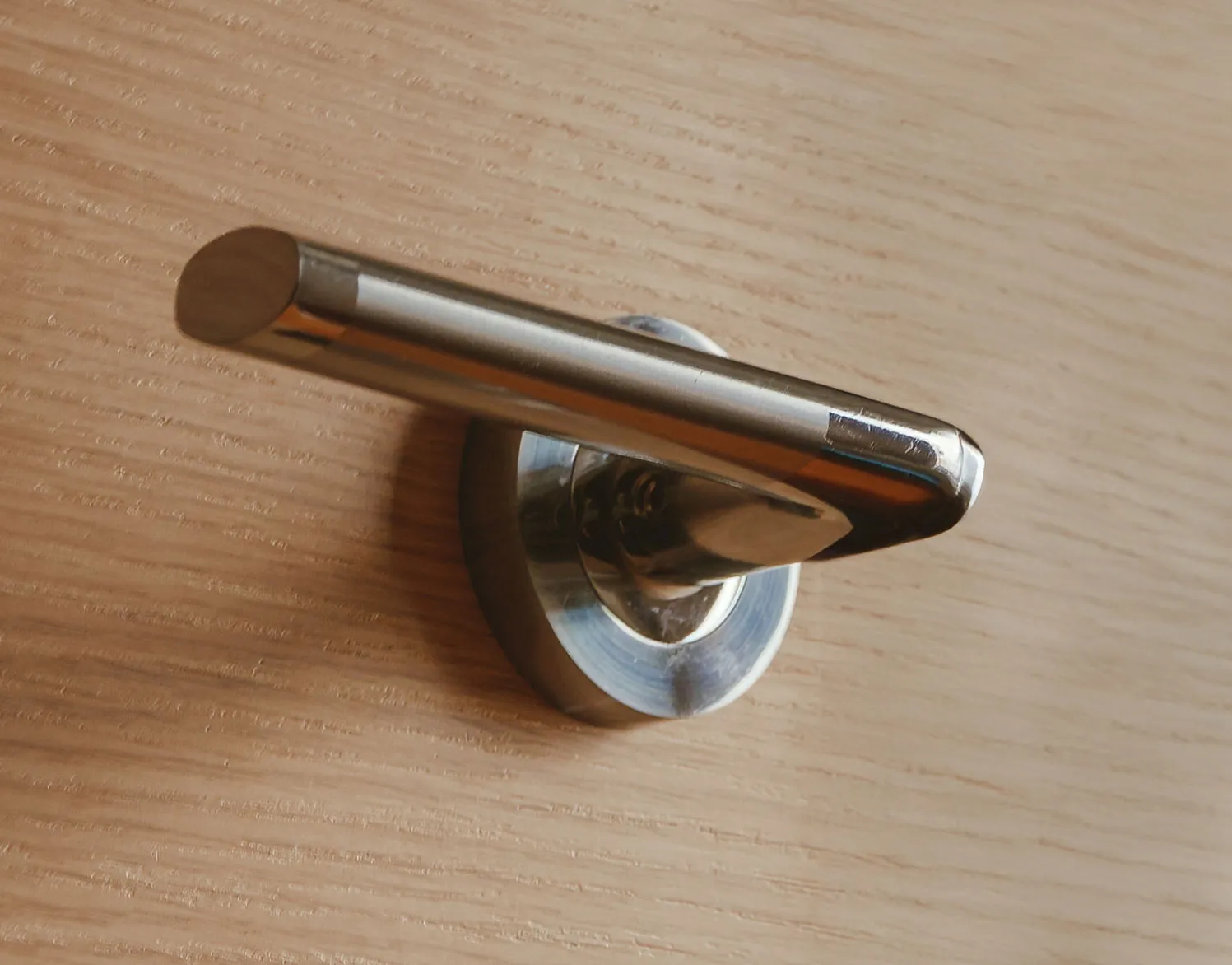
| Material | Brass, bronze, stainless steel, aluminium, copper or combinations of materials |
| Finish | Living brass, hand-applied patinas, PVD and powder coating in specified RAL colours |
| Grips and inlays | Leather, wood, stone or marble |
| Texture and marking | Hammered finishes, etched patterns, engraved logos, lettering or crests |
Not every bespoke project requires a completely new product. Sometimes the best solution is a change to the dimensions, finish, grip or detailing of an existing Dortrend design.
How long does it take to make a bespoke door handle?
The timescale depends on the complexity of the project, the number of approval stages, the chosen material and finish, and the quantity required.
A straightforward adaptation of an existing product will usually be quicker than developing an entirely new handle. Once the brief is understood, we can explain the required stages and provide a realistic production schedule.
Why manufacturing in one factory makes a difference
Keeping design, prototyping, machining, polishing and finishing together makes communication considerably easier.
The designers developing the product can speak directly with the people responsible for manufacturing it. Potential issues can be identified early, samples can be assessed quickly and adjustments can be made without moving the project between several unrelated suppliers.
This connection between design and production is especially valuable for technically demanding, unusual or highly detailed architectural hardware.
A real bespoke door-hardware example
Dortrend developed bespoke pull handles for the 20 Fenchurch Street project after an existing sample was found to flex excessively on heavily glazed doors.
The project required a rigid 1,800 mm pull handle with consistently softened edges and substantial flush-fitting legs. Our team developed and manufactured a solution that achieved the required strength while maintaining the intended architectural appearance.
Read more about the bespoke pull handles for 20 Fenchurch Street.
You can also explore our bespoke door-handle service or read our guide explaining when to specify bespoke ironmongery.
Bespoke door-handle FAQs
Can you copy an old door handle?
Yes. Depending on the condition and complexity of the original, we may be able to work from the handle itself, photographs, measurements or drawings. We will also check that the reproduced product is suitable for its intended application.
Can I see the handle before placing the full order?
Yes. A 3D-printed prototype or finished sample can be produced for approval where appropriate. The exact sampling process will be agreed as part of the project brief.
Are bespoke handles as strong as standard handles?
They should be designed for the intended door, environment and level of use. Relevant strength, durability, accessibility and doorset requirements need to be identified at the beginning of the design process.
Can you add a logo or crest?
Yes. Logos, room identifiers, lettering, patterns and crests can be engraved, etched or laser marked where the design and material allow.
Do you work with my architectural ironmonger?
Yes. Dortrend supplies through architectural ironmongers and can work with the project team to develop the required specification and product.
How do I start a bespoke project?
Send us a drawing, photograph, specification or description of what you need. Include any known information about the doors, locks, quantity, material, finish and programme.
Discuss your bespoke door-hardware project
Call 01299 827837 or contact the Dortrend team to discuss your requirements.