How to Tell if Door Hardware Is Really Made in Britain
To check whether door hardware is really made in Britain, look for "made in" rather than "designed in" or "British brand", ask where the factory is and which processes happen there, and check membership of the Made in Britain collective mark. A genuine UK manufacturer will tell you what proportion of its range is made in-house and will usually welcome a factory visit.
Plenty of door hardware brands describe themselves as British. Far fewer actually manufacture their products here. For specifiers, public-sector buyers and clients who care about quality, supply-chain resilience and social value, the difference matters.
This guide explains the wording to look for, the questions to ask and how to verify whether products are genuinely made in Britain.
Designed in Britain is not made in Britain
Descriptions such as “British brand” and “designed in Britain” can be accurate, but they do not necessarily mean that the product was manufactured in the UK.
| Phrase | What it usually means |
|---|---|
| Made in Britain | Manufactured in the UK, ideally confirmed for the individual product or range. |
| Designed in Britain | Designed in the UK but potentially manufactured overseas. |
| British brand | The company is British, but this says nothing about where its products are manufactured. |
| Finished in the UK | Imported products or components may have been assembled, coated or finished here. |
| UK stock | The products are held in a UK warehouse, regardless of where they were manufactured. |
None of these descriptions is necessarily a problem. The issue arises when vague wording creates the impression of British manufacture without clearly stating where the product was made. If the wording is unclear, ask the supplier for more information.
Questions to ask a door hardware supplier
A genuine manufacturer should be able to explain exactly where and how its products are made. Useful questions include:
- Where is your factory, and can customers or specifiers visit it?
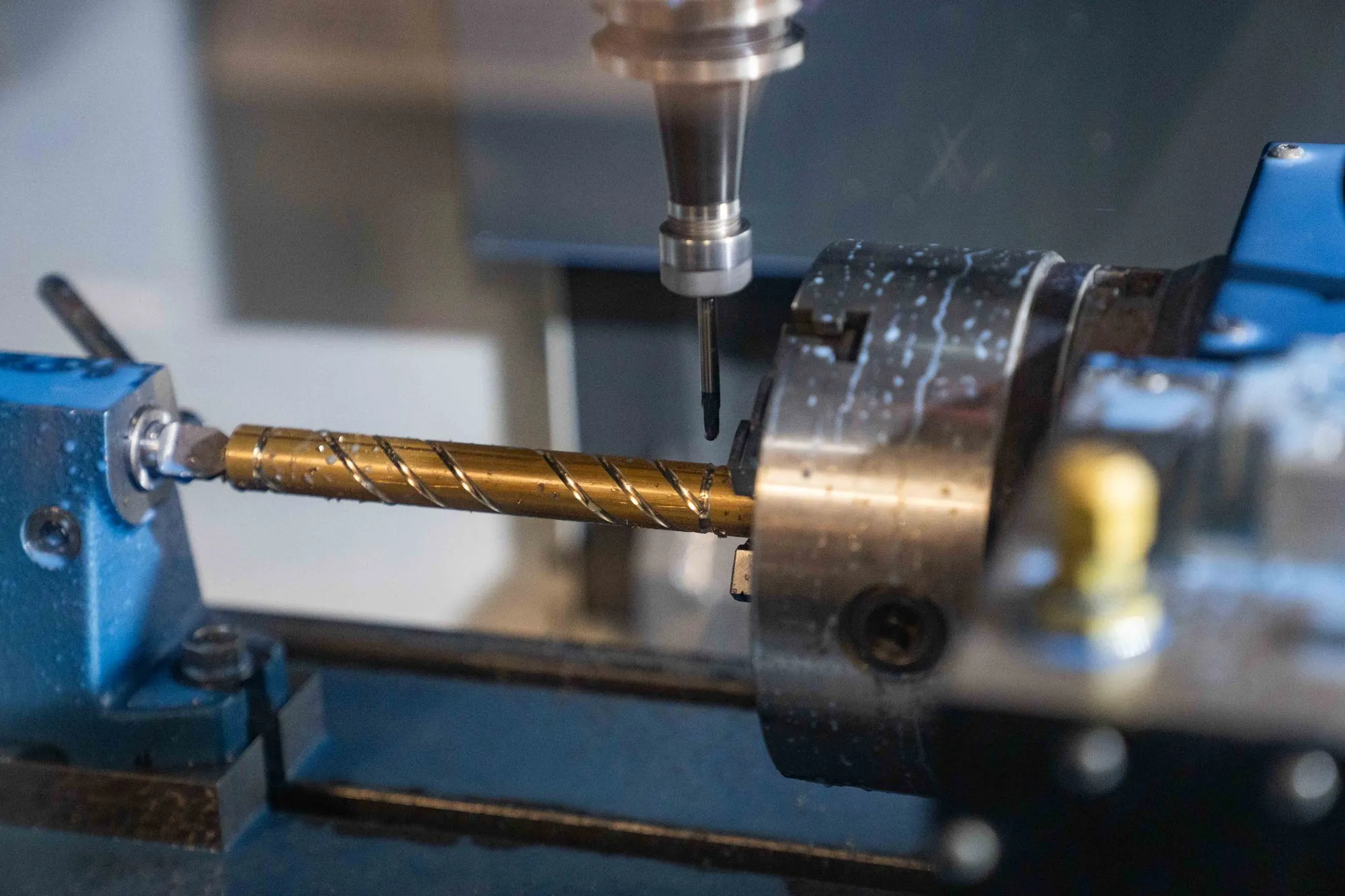
- Which processes take place there, such as machining, fabrication, polishing and finishing?
- What proportion of your product range is manufactured in-house?
- Which components or complete products are bought in, and where do they come from?
- Can you supply matching products and replacement parts several years from now?
- Are you a member of the Made in Britain organisation?
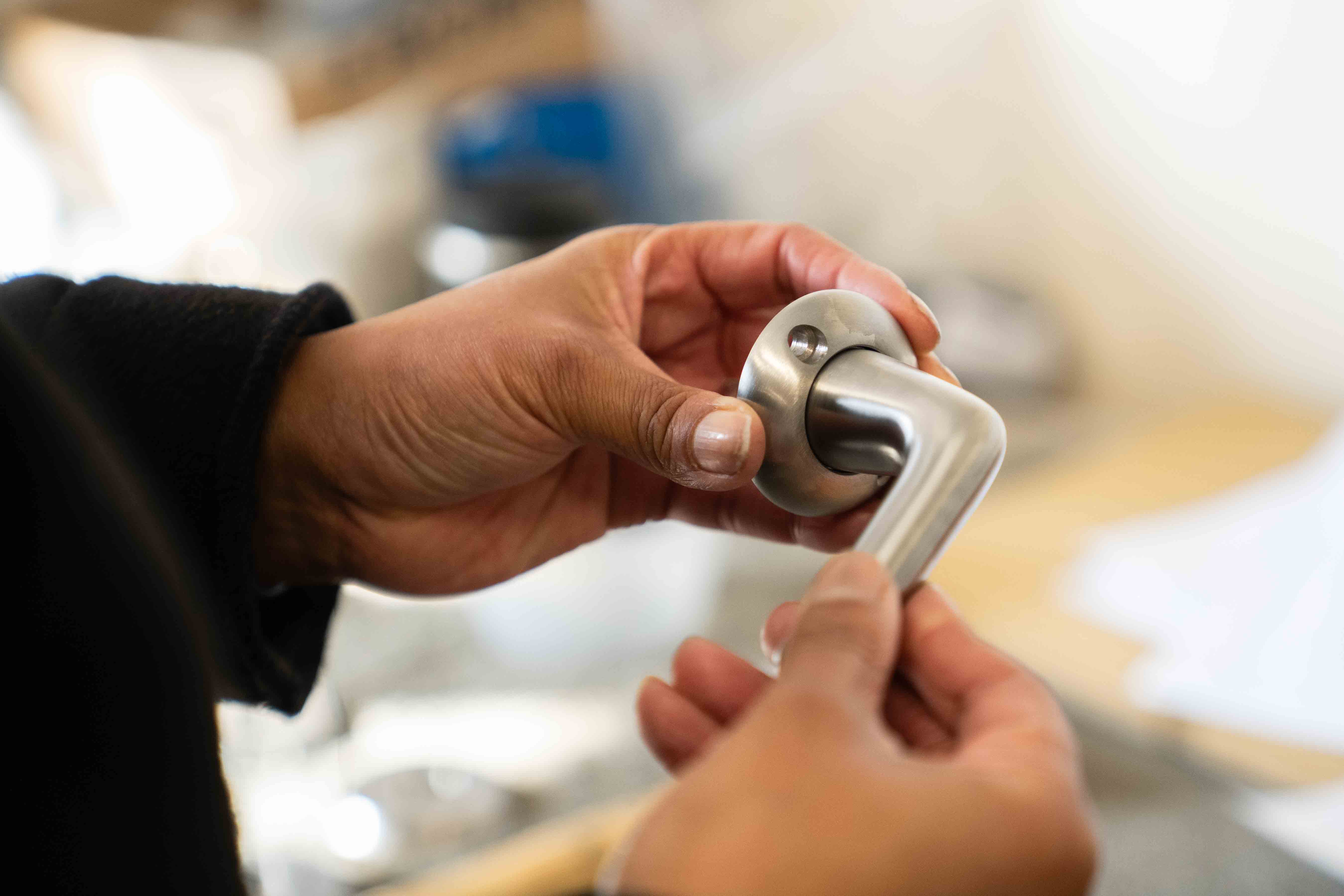
A genuine UK manufacturer will normally answer these questions clearly and in detail. It will also usually be proud to show customers its factory, machinery and manufacturing team.
What does the Made in Britain mark mean?
Made in Britain operates a recognised collective mark for British-made products. Member manufacturers are permitted to use the mark on eligible products manufactured in the UK.
The mark gives buyers a straightforward way to identify participating manufacturers, but it is still sensible to check the organisation’s member directory and confirm which individual products or ranges qualify.
Dortrend is a member of Made in Britain and an affiliate member of the Guild of Architectural Ironmongers. You can learn more about its British made door hardware and manufacturing capability on the website.
Signs of a genuine factory
Manufacturers tend to discuss their machinery and production processes in detail because this is where much of their expertise lies.
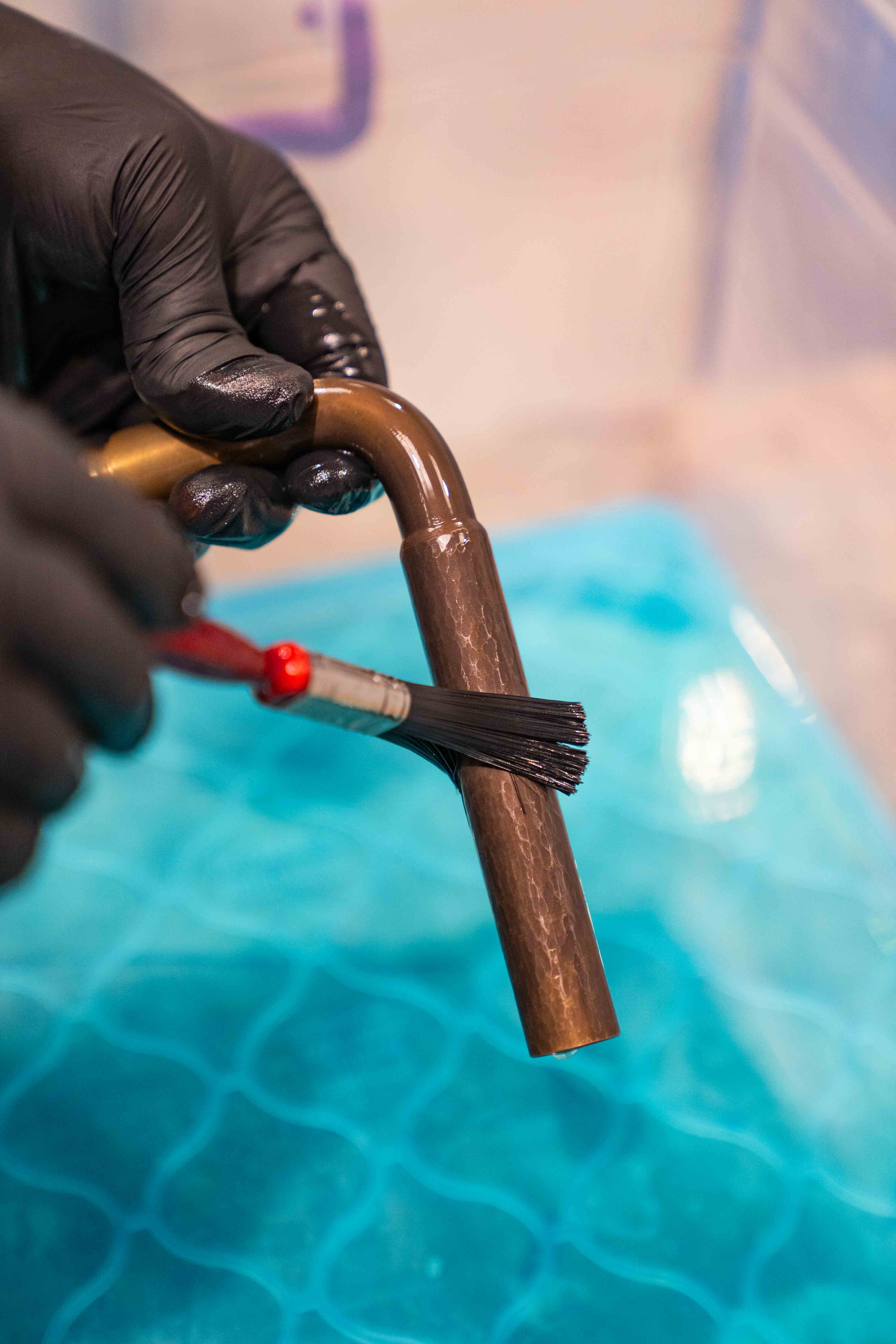
At Dortrend’s factory on the Blackpole West Trading Estate in Worcester, equipment and processes include:
- Haas CNC lathes and milling machines
- CNC fibre laser cutting
- Laser welding and fibre laser marking
- Manual machining and fabrication equipment
- Polishing lathes and specialist polishing machinery
- A cold-patination tank for hand-applied finishes
- An in-house plant for applying TouchClean® anti-microbial coating
- SolidWorks CAD and in-house 3D printing for product development
More than 85% of Dortrend products are manufactured at this Worcester factory. New designs can be developed, prototyped, manufactured, polished and finished by teams working within the same facility.
Why British manufacture matters to a project
Quality control
When machining, fabrication and finishing are managed by one team, quality can be monitored throughout the manufacturing process. Problems can be identified before the completed hardware reaches the project.
Reliable supply
A shorter supply chain reduces reliance on international freight, customs processing and distant factories. This can make it easier to respond when a project programme changes or additional products are needed.
Consistent finishes
Extensions, replacement doors and later project phases often require hardware that matches the original installation. An in-house manufacturer can retain specifications and reproduce finishes more consistently.
Greater flexibility
Changes to dimensions, fixing centres, materials or finishes are easier to discuss when designers and production teams work together. This is particularly valuable when a project needs architectural door handles adapted to unusual doors or interior requirements.
Replacement parts
A manufacturer with its own machinery may be able to reproduce a component or complete item years after the original project was completed. This can extend the useful life of the installation and avoid replacing otherwise serviceable hardware.
Social value
British manufacturing supports skilled employment, apprenticeships and local supply chains. These factors may contribute to the social-value requirements used when assessing public-sector projects.
Warning signs to investigate
None of the following proves that a product is imported, but each provides a good reason to ask further questions:
- Union flags and British imagery with no factory address
- “Designed in the UK” displayed prominently without stating where the product is made
- No information about machinery, manufacturing processes or quality control
- Lead times that consistently suggest the products are being shipped from overseas
- An inability to reproduce an exact product or finish supplied only a few years earlier
- No opportunity for customers or specifiers to visit the factory
Is British-made door hardware more expensive?
British-made hardware can cost more initially than mass-produced imported products. The purchase price, however, is only one part of the cost over the life of a building.
Durable hardware, consistent finishes and readily available replacement parts can make British manufacture the more economical choice over time. This is particularly relevant in hospitals, schools, offices and public buildings where doors are operated continuously and replacement work can disrupt the building.
A shorter and more responsive supply chain can also reduce the risk of a missing item delaying installation on site.
British manufacture and sustainability
Manufacturing products closer to where they will be used can reduce long-distance freight. A manufacturer that controls its production processes can also work directly to reduce material waste, improve energy efficiency and recycle manufacturing by-products.
Dortrend uses recyclable metals, keeps packaging to a minimum and designs hardware for longevity rather than short-term fashion. Products that remain functional for decades and can be repaired or matched later avoid the material and environmental cost of repeated replacement.
More than 50 years of manufacturing in Worcester
Dortrend was founded in 1972. While much of the door hardware industry moved production overseas, the company continued investing in its Worcester factory, manufacturing equipment and skilled workforce.
Its British-made range includes architectural door furniture, specialist anti-ligature products, designer handles and bespoke hardware for projects in the UK and overseas.
You can read more about Dortrend or view examples of completed work in our projects.
British-made door hardware FAQs
Is all Dortrend hardware made in Britain?
More than 85% of Dortrend products are manufactured in its own factory in Worcester. Where a product or component is not manufactured in-house, the team can clarify its source.
What is the Made in Britain mark?
It is a collective mark used by member manufacturers to identify eligible products made in the UK. Buyers can also check the Made in Britain member directory.
Can I visit the Dortrend factory?
Yes. Specifiers and project partners can contact Dortrend to arrange a factory visit and see how its hardware is manufactured.
Does British manufacture help with social value?
It can. Public-sector procurement may consider UK supply chains, skilled employment and local economic contribution as part of a project’s social-value assessment.
Does Dortrend export its products?
Yes. Dortrend supplies door hardware for projects throughout the UK, Europe, the Middle East and other international markets.
Where is Dortrend based?
Dortrend’s factory is at 86a Blackpole West Trading Estate in Worcester, Worcestershire.
Specify British-made door hardware
To discuss British-made door hardware, request samples or arrange a factory visit, call Dortrend on 01299 827837 or contact the Dortrend team.