Architectural Hardware Finishes: Choosing the Right Finish for Your Project
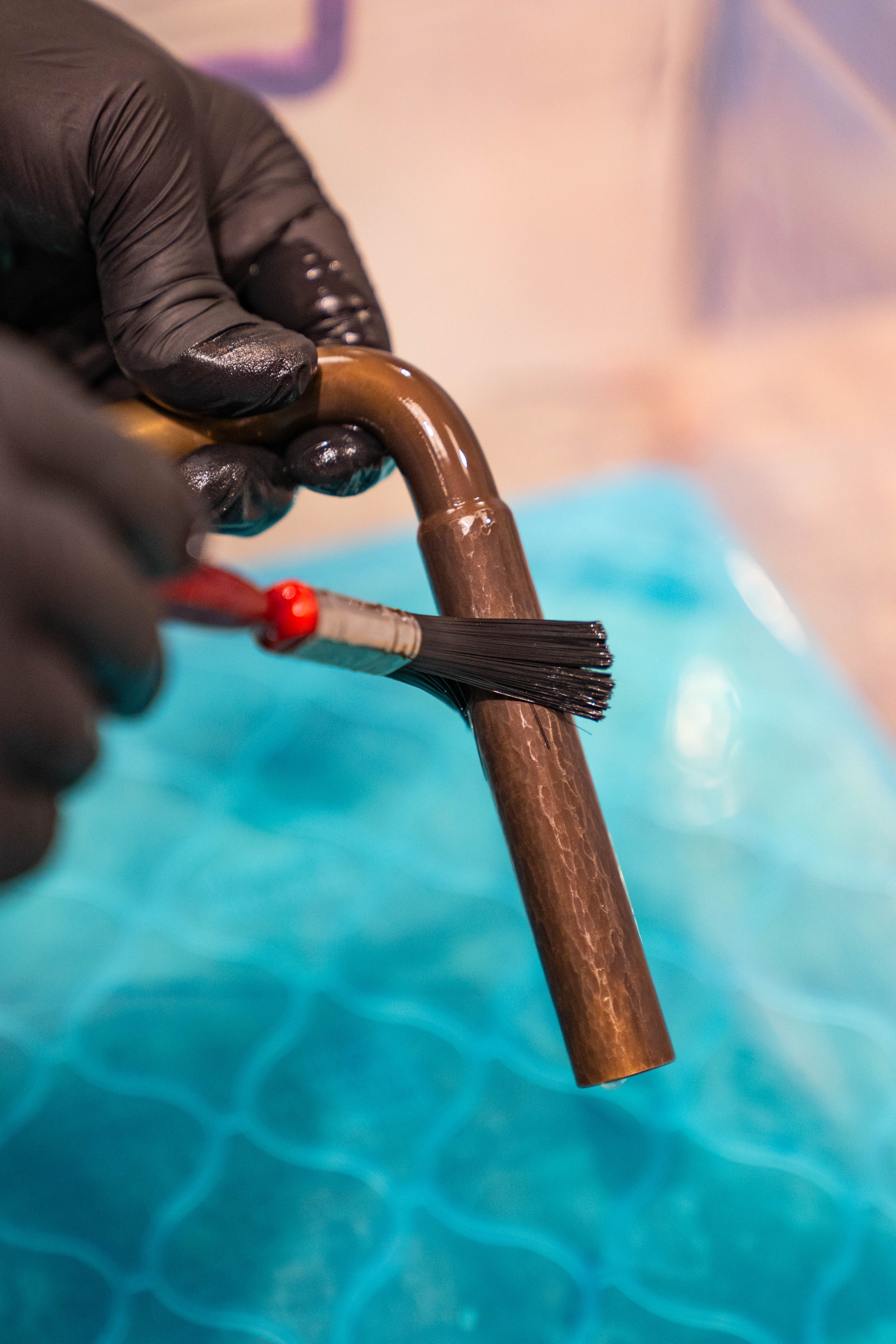
Architectural Hardware Finishes:Choosing the Right Finish for Your Project
Architectural hardware is often one of the final details specified on a building project, but its finish can have a significant impact on the overall appearance of a door and the surrounding interior.
From contemporary stainless steel to traditional brass and darker modern finishes, the right architectural hardware finish needs to do more than look good. It should complement the design, suit the environment, and provide the durability required for its intended application.
At Dortrend, we manufacture architectural door hardware for a wide range of commercial, healthcare, education, hospitality,and public-sector environments. Here, we look at some of the key considerations when selecting an architectural hardware finish.
Why Is the Finish Important?
Door hardware is one of the most frequently touchedelements within a building. Handles, pull handles, push plates and othercomponents can be used hundreds or even thousands of times over their servicelife.
The finish therefore plays both an aesthetic and practical role.
A carefully selected finish can:
- Complement doors, frames and surrounding interior finishes
- Help create a consistent design throughout a building
- Provide the required level of durability
- Make architectural hardware easier to maintain
- Enhance the appearance of high-quality door furniture
- Support the overall architectural concept
For specifiers, the challenge is finding the right balance between appearance, performance and long-term maintenance. Dortrend can assist in all facets of the specification and even advise on split finishes,the different aging processes of the various product and obviously our Touchclean anti-microbial coating.
Satin Stainless Steel
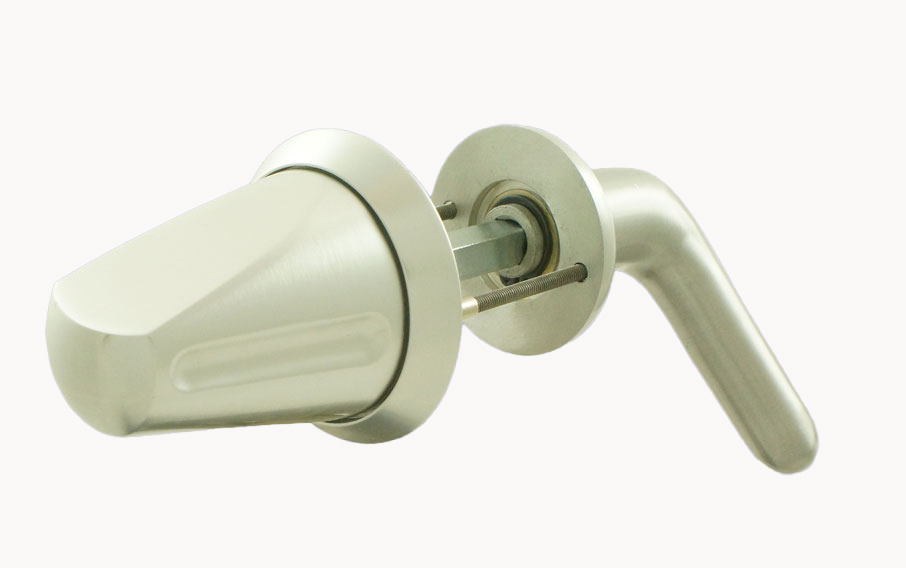
Satin stainless steel is one of the most popular finishes for architectural door hardware, particularly in commercial and public buildings.
Its clean, under stated appearance works well with contemporary interiors and a wide variety of door materials and colours. The satin surface also makes it a practical choice for areas experiencing frequent use.
Stainless steel is particularly suited to projects where durability, corrosion resistance and ease of maintenance are important considerations.
It can be an excellent option for:
- Healthcare environments
- Schools and universities
- Offices
- Commercial buildings
- Public buildings
- High-traffic areas
Its neutral appearance also makes satin stainless steel easy to coordinate across a complete architectural ironmongery specification.
Satin and Polished Brass
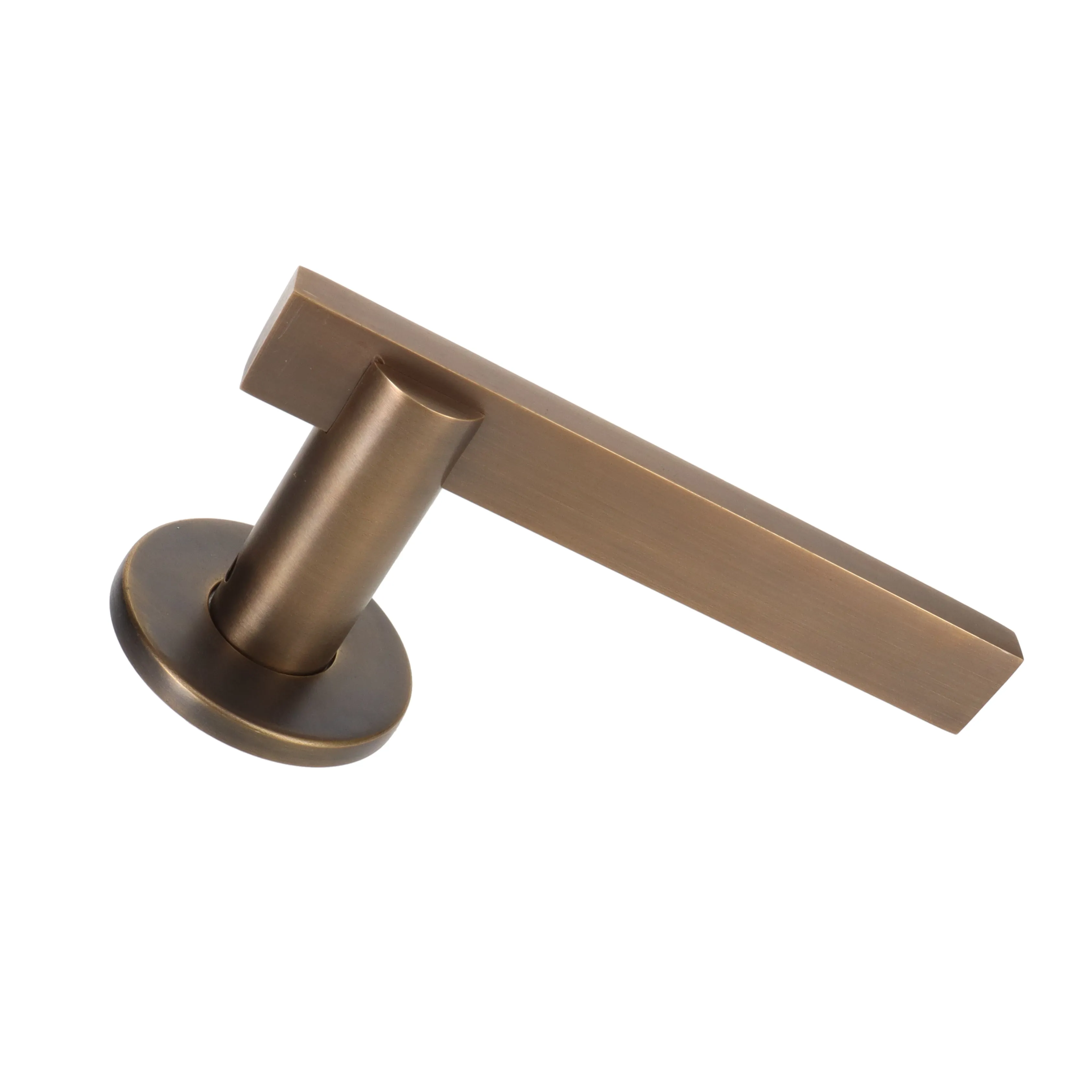
Brass remains a popular material for architectural hardware and can introduce warmth and character into an interior.
Satin brass provides a softer, more restrained appearance, while polished brass delivers a brighter and more traditional aesthetic. Available on solid brass as living finishes or sealed with electrophoretic lacquers or as PVD finish for an aesthetic finish that lasts and will not age.
Depending on the design of the hardware and surrounding interior, brass finishes can work equally well in traditional and contemporary environments.
They are particularly effective when co-ordinated with other details such as lighting, signage, furniture and decorative metalwork.
Dark and Contemporary Finishes
Dark architectural hardware has become increasingly popular within contemporary interiors.
Black and other darker finishes can create a strong contrast against light-coloured doors and provide a distinctive design feature. Alternatively, when used against darker doors, they can contribute to a more subtle and coordinated appearance.
These finishes are frequently specified for modern offices, hospitality projects, residential developments and design-led commercial interiors.
However, the appearance should not be the only consideration. The type of coating or finishing process used, the expected level of traffic and the maintenance requirements should all be assessed before specifying a finish.
Living brass finishes are the most desired and reallooking which will age and change with time, whilst ceramic and PVD finishes would stay how they are the day they were fitted, anodised and powder coated finishes whilst different offer more cost effective options.
Matching Finishes Across a Project
Consistency is an important part of any architectural hardware specification.
A door may incorporate several visible pieces of hardware, including lever handles, pull handles, push plates, finger plates, escutcheons, and other accessories. If these components have noticeably different finishes, the result can detract from an otherwise carefully considered interior making the project look like its been done on a budget not to a budget.
Where possible, finishes should therefore be co-ordinated across the complete door and any other architectural aspects of the job. It is worth considering other visible metalwork within the building, including handrails, balustrades, lighting, bathroom fittings and signage.
Dortrend are experts in finish matching not only at sampling stage but on supply able to match other aspects of a job, ideally by sampling and viewing other samples.
Swatches and finished product are always available on request and assist all levels of the specification.
Consider the Environment
Not every finish is suitable for every application.
Before selecting architectural hardware, specifiers should consider the environment in which the product will be installed, whether the finish is suitable and/or the clients expectations of the visual effects.
Factors can include:
Frequency of use: High-traffic environments require finishes capable of coping with regular contact and cleaning explanation of this and how it will affect the finish are key.
Cleaning regimes: Healthcare, education and other public environments may have demanding cleaning requirements particularly on anti-microbial products where chlorine based cleaners are sometimes used, again it’s about understanding and communication.
Internal or external use: Hardware exposed to weather or moisture may require materials and finishes offering greater corrosion resistance although almost all our finishes are usable in both environments.
Location: Coastal, industrial and other aggressive environments can place additional demands on metal components were 316 stainless with a PVD or ceramic finishes can be used.
Maintenance expectations: Some finishes naturally change in appearance overtime what we would refer to as a “living” finish, while others may require regular cleaning to maintain their original appearance.
Selecting a finish based on the actual operating environment can help maintain both performance and appearance throughout the product's service life and understanding of what is required and what certain finishes do are key to achieving not only specification but long-lasting client satisfaction.
Bespoke Architectural Hardware Finishes
Sometimes a standard finish does not provide the appearance required for a particular project.
Bespoke finishes can give architects and designers greater freedom to coordinate door furniture with a specific interior conceptor architectural palette.
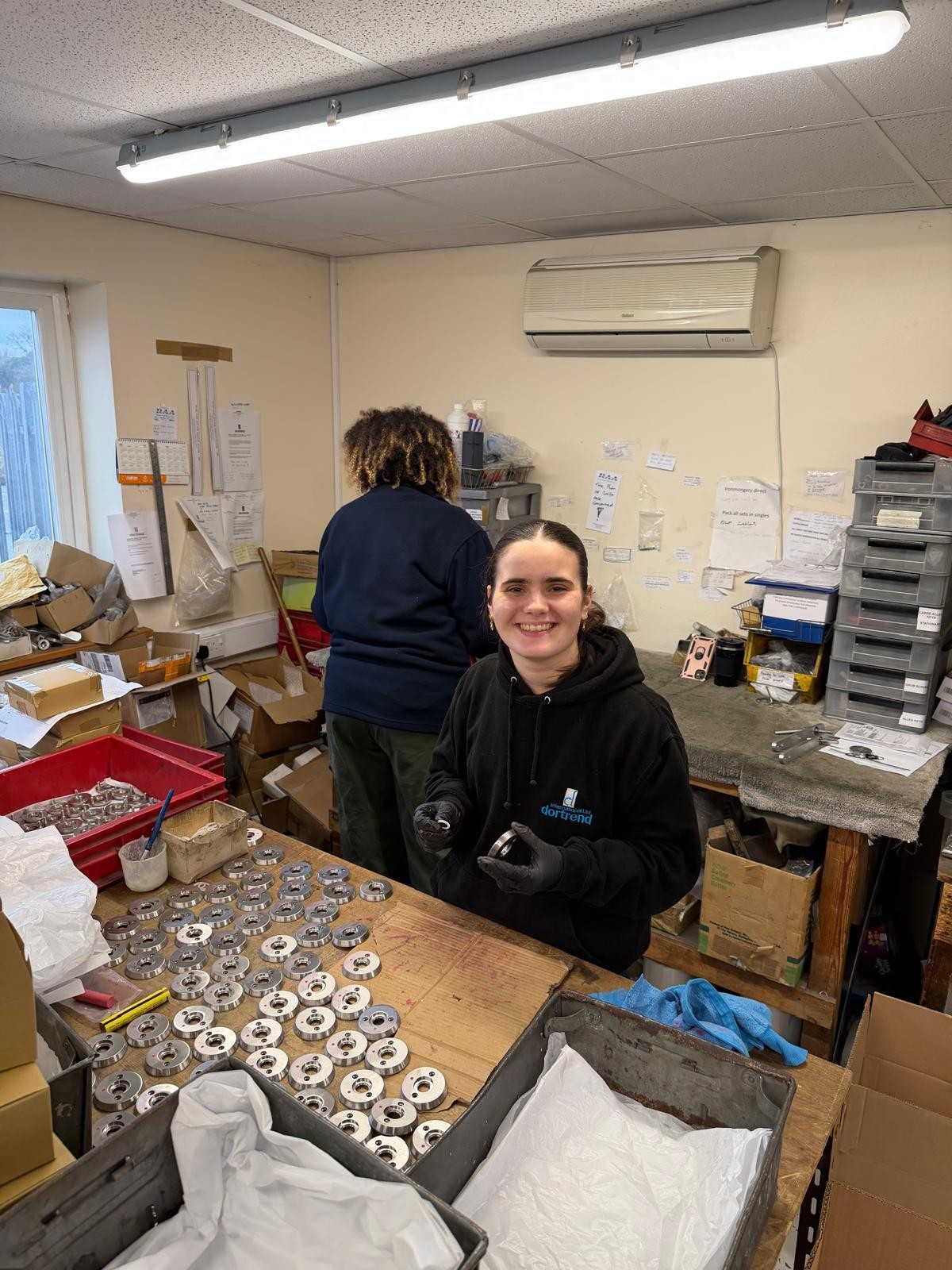
At Dortrend, our in-house finishing capabilities enable us to work with customers on standard and bespoke architectural hardware requirements, including products designed for individual projects.
This flexibility can be particularly valuable where existing hardware needs to be matched, a particular aesthetic is required, a requirement for long lasting or even an aging “living finish” or a project calls for specialist door furniture.
Appearance Should Never Be Considered in Isolation
A beautiful finish is important, but architectural hardware must first perform its intended function.
When specifying door furniture, factors such as product design, material, durability, accessibility, fire-door requirements and the intended environment should be considered alongside the finish.
For specialist environments such as healthcare and mental-health facilities, additional considerations may also apply, including hygiene, safety and anti-ligature requirements.
The most successful specification brings these requirements together, providing hardware that performs correctly while complementing the architectural design.
Choosing the Right ArchitecturalHardware Finish
There is no single finish that is right for every project.
The best choice depends on the building, its users,the surrounding materials and the level of performance required. Satin stainless steel may provide the ideal combination of durability and contemporary appearance for one project, while brass, polished finishes or a bespoke option may be more appropriate for another.
By considering appearance, durability, environment, maintenance and coordination at the specification stage,architects and designers can select door hardware that continues to complement the building long after installation.
Talk to Dortrend About YourArchitectural Hardware Requirements
Dortrend manufactures architectural door hardwarefor projects across a wide range of sectors, with extensive in-housemanufacturing and bespoke capabilities.
Whether you are selecting a standard finish,co-ordinating hardware across a project or looking for a bespoke architectural hardware solution, our team can help you identify the right product and finish for your application.
A guide to our finishes can be found at Door Handle Finishes | Antique Brass & More
Contact Dortrend to discuss your architectural hardware requirements.