How to Clean and Care for Door Knobs and Handles, Finish by Finish
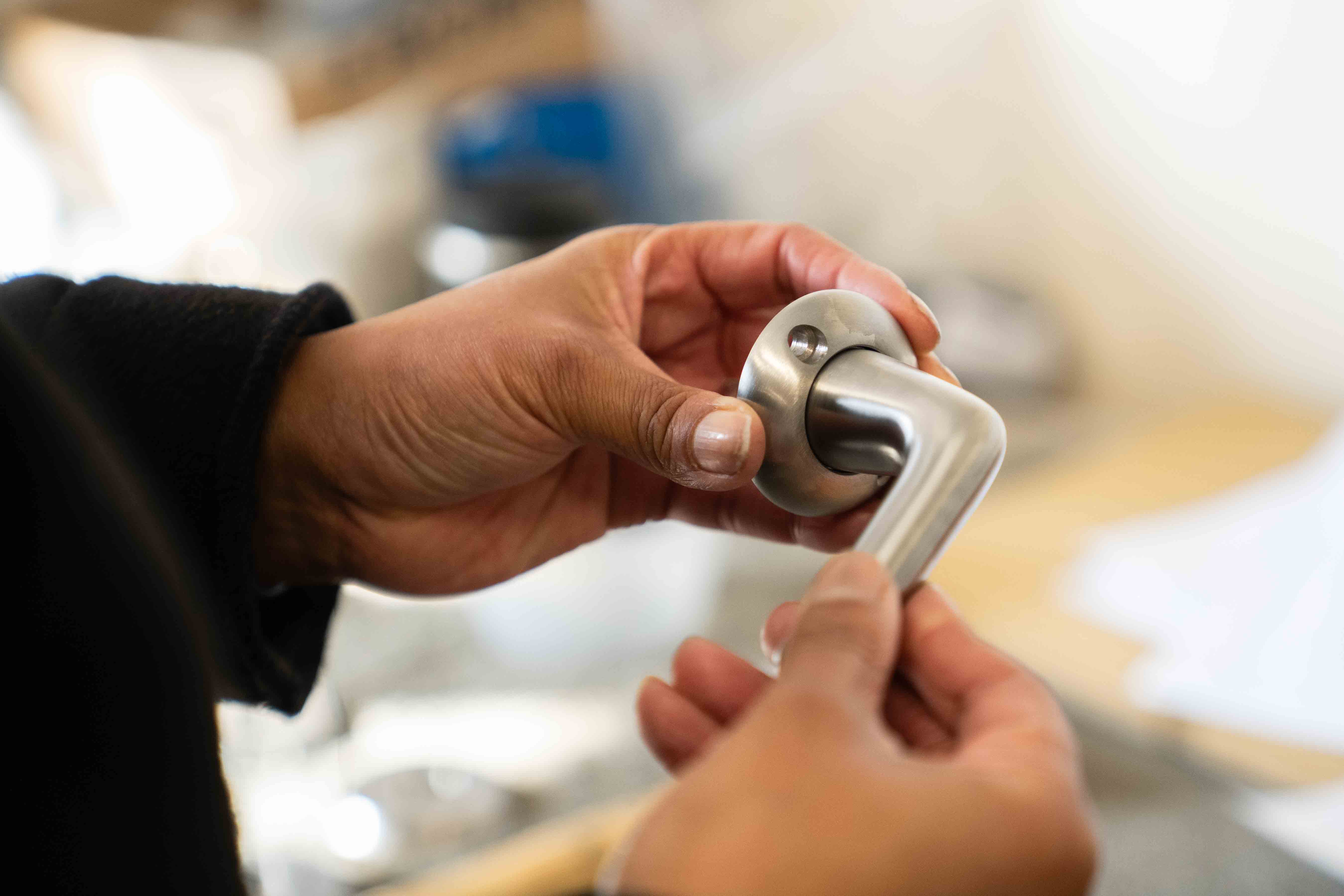
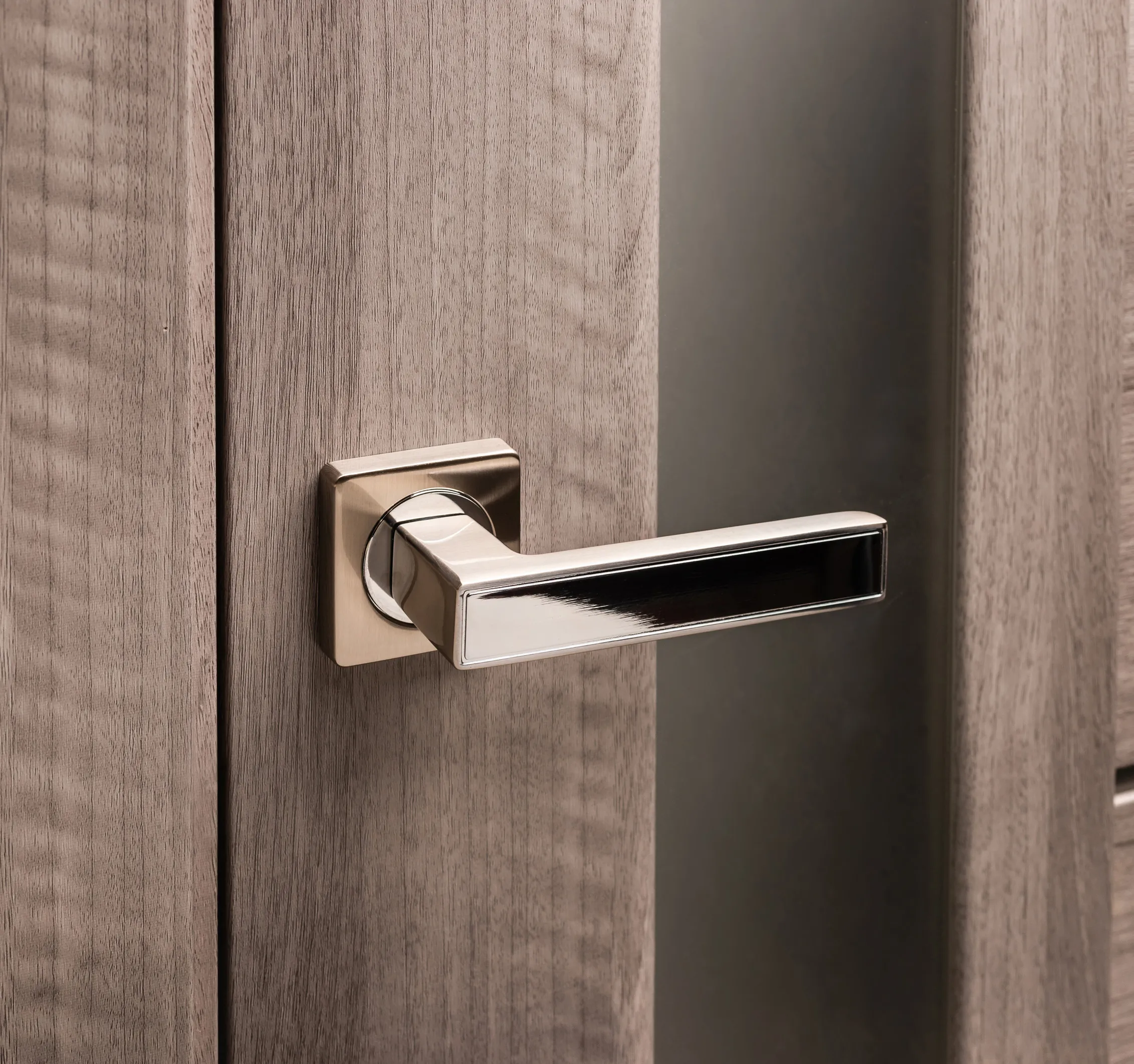
Most door knobs and handles only need a wipe with a soft cloth and warm, mildly soapy water, followed by a dry buff. Avoid scouring pads, bleach and harsh sprays, which can damage lacquered and plated finishes. Unlacquered living brass and bronze can be polished back or left to darken, and a thin coat of wax helps protect them.
Door knobs and handles are touched more frequently than almost any other surface in a building, yet they are rarely considered until the finish begins to look tired.
Well-made door hardware normally requires very little maintenance. However, using the wrong cleaner can scratch a surface, remove a hand-applied patina or damage a protective lacquer in seconds.
The basic cleaning routine for every finish
- Wipe the hardware with a soft, lint-free cloth and warm water containing a small amount of washing-up liquid.
- Dry and buff it immediately so that water does not leave marks.
- Never use scouring pads, wire wool or abrasive cream cleaners.
- Keep bleach, limescale remover and ammonia-based sprays away from the hardware.
- Apply cleaner to the cloth rather than spraying it directly onto the door.
- Prevent liquid from running behind the rose, backplate or escutcheon.
How to care for each door-hardware finish
| Finish | Recommended care |
|---|---|
| Lacquered brass | Use a damp, soft cloth only. Metal polish can cut through the lacquer and create a patchy finish. |
| Living or unlacquered brass | Polish it with brass polish to maintain a bright appearance, or allow it to darken naturally. A thin coat of suitable wax helps slow tarnishing. |
| Bronze and antique finishes | Use a damp cloth and occasionally apply a small amount of suitable wax. Do not use metal polish because it can remove the applied patina. |
| Nickel finishes | Clean with a damp cloth and dry buff. Avoid abrasive cleaners that could scratch or dull the plating. |
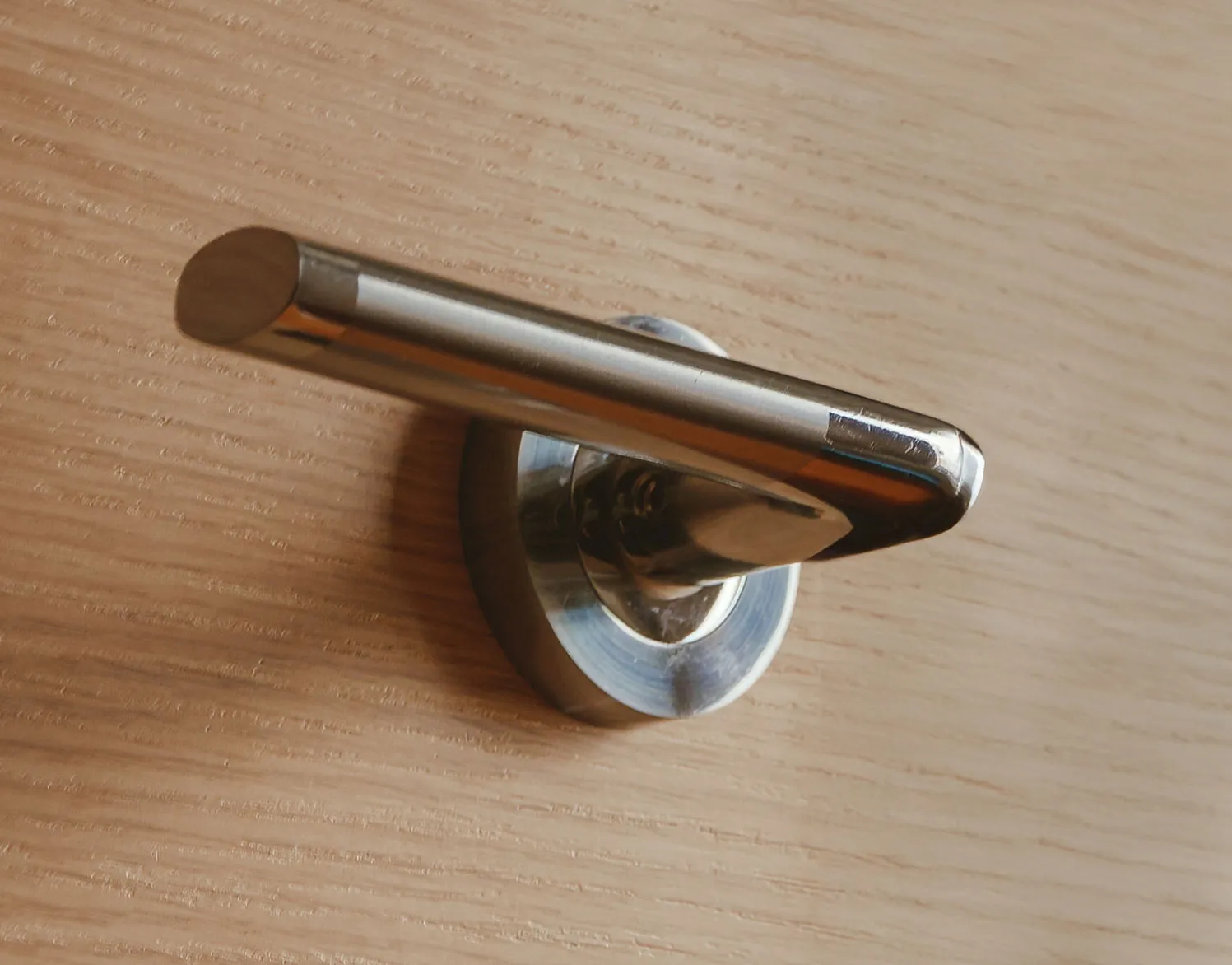
| Satin stainless steel | Wipe in the direction of the visible grain. Stainless steel is well suited to frequent cleaning. |
| PVD finishes | Use a damp, soft cloth. PVD is highly wear-resistant, but an abrasive cleaner can still mark it. |
| Powder-coated finishes | Clean with warm, mildly soapy water and a soft cloth. Avoid solvents and abrasive products. |
Living finishes: polish them or let them age?
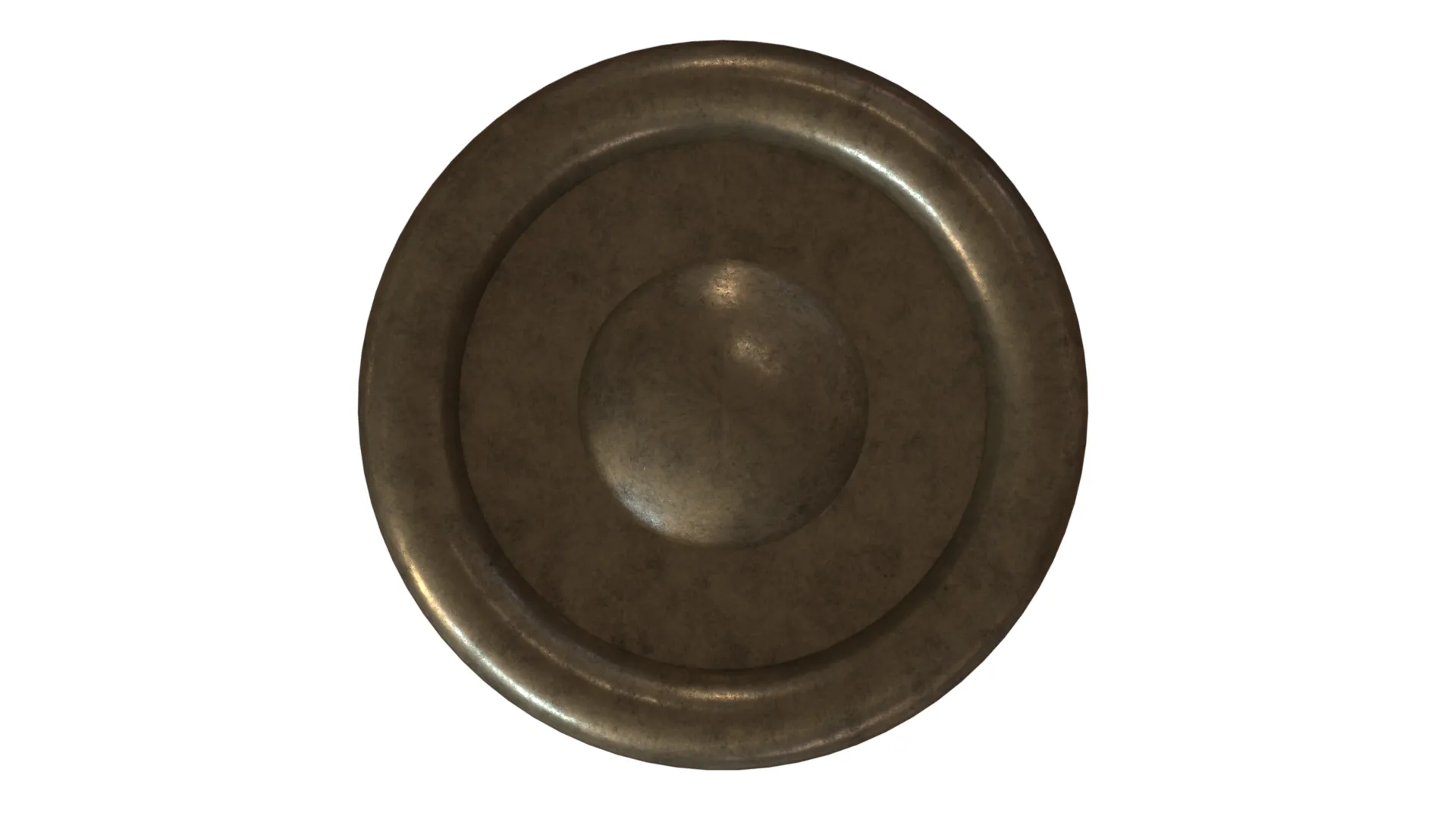
A living finish is left unlacquered so that it changes naturally through touch, exposure and time. Brass gradually darkens to a warmer and softer colour, while the areas handled most frequently often remain brighter.
This variation is part of the intended appearance rather than a defect. Some owners prefer the character of a naturally aged surface, while others want their brass to remain bright. Both approaches are suitable.
To retain a bright appearance, apply an appropriate brass polish according to its instructions and buff it completely from the surface. To encourage a natural patina, clean the handle gently and apply a thin coat of suitable wax several times a year.
One advantage of an unlacquered brass finish is that it can normally be polished back if you later decide that you prefer a brighter appearance.
Caring for nickel finishes
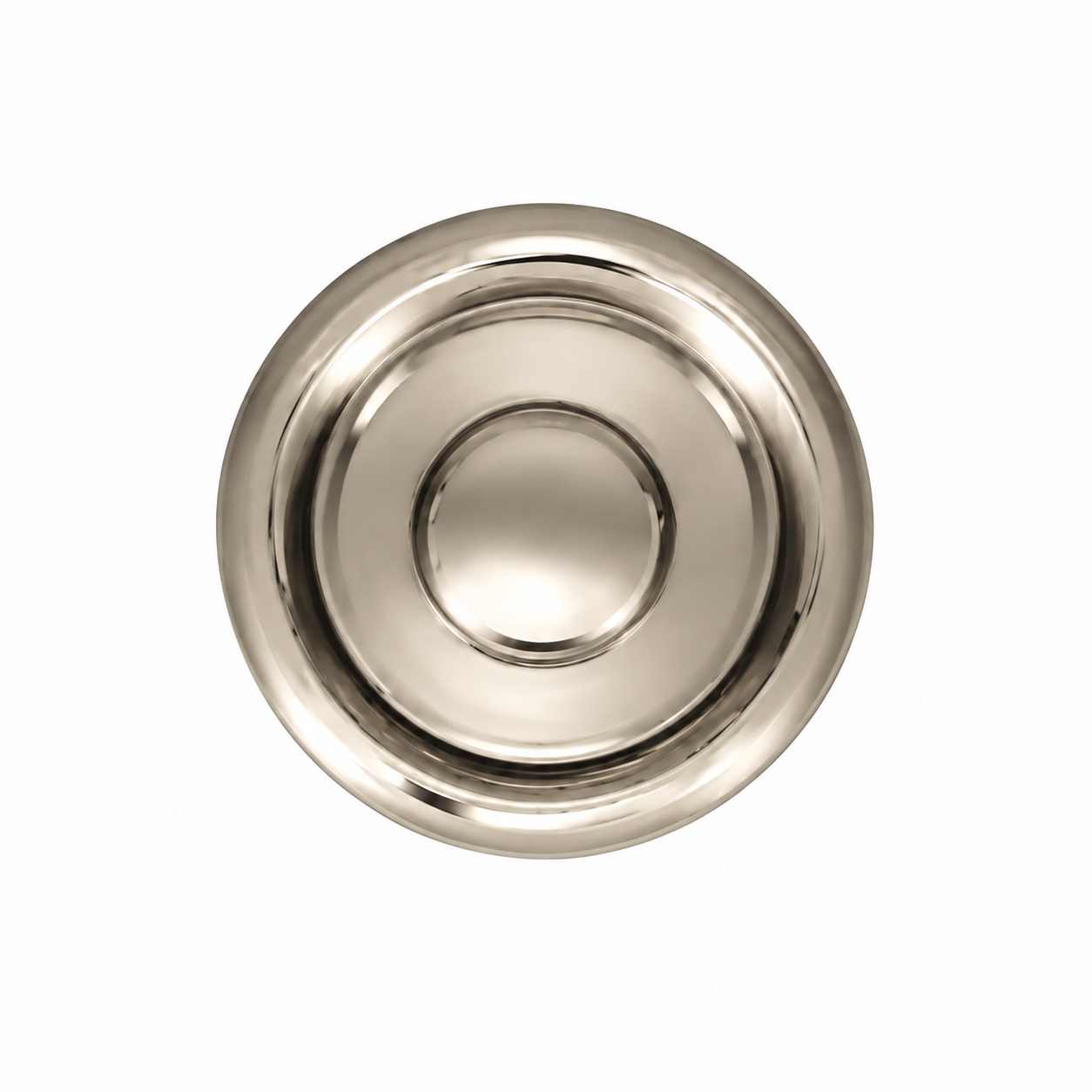
Polished and satin nickel are plated finishes and should be treated gently. A soft damp cloth followed by a dry buff is normally sufficient.
Abrasive metal cleaners should not be used unless they have been specifically approved for the finish. Repeated aggressive polishing can wear through plating, particularly on the edges and areas touched most frequently.
Busy commercial and public doors
Door handles in offices, hospitals, schools and public buildings are cleaned far more frequently than residential hardware. Some are cleaned several times each day and may be exposed to stronger disinfectants.
Satin stainless steel is commonly selected for these environments because it performs well under frequent cleaning. Always clean in the direction of its grain and remove residues with clean water.
Where infection control is important, Dortrend’s TouchClean® anti-microbial coating can be applied to suitable finishes. The coating supports an established cleaning regime; it does not replace normal cleaning.
If disinfectant wipes are used regularly, confirm that the product is suitable for the hardware finish. Wiping the surface afterwards with clean water can help prevent chemical residues from accumulating.
Check the handle fixings as well
A loose handle can wear more quickly and place unnecessary strain on the latch and spindle. Once or twice a year, check the visible fixings, rose covers and grub screws.
Tighten anything that has worked loose using the correct tool, without overtightening and damaging the thread. If a lever begins to droop rather than returning to a level position, its spring mechanism or the latch may need attention.
Loose or damaged hardware on fire, escape or specialist doors should be inspected by a competent person rather than treated as a simple decorative repair.
Choosing a finish that suits the building
If you want a finish requiring minimal attention, satin stainless steel and suitable PVD finishes are among the most forgiving choices.
If you prefer hardware that changes and develops individual character, living brass or bronze can provide a richer result over time. Lacquered finishes retain a more stable appearance but must not be treated with metal polish.
Dortrend’s finishes page shows the available options. Knobs, levers, pull handles and accessories can be coordinated in matching finishes across a home or commercial building.
If you are unsure which type of door handle is appropriate, consider both how it will be used and how much maintenance the environment allows.
Door-handle care FAQs
Can I use brass polish on lacquered handles?
No. Brass polish can cut through the lacquer and leave an uneven or patchy finish. A soft damp cloth followed by a dry buff is normally all that lacquered brass requires.
Why has my brass door handle gone dark?
If it has an unlacquered living finish, darkening is a natural part of the ageing process. The brass can usually be polished back to a brighter finish if preferred.
Can I use disinfectant wipes on door handles?
Many finishes tolerate occasional use, but repeated exposure may affect coatings or plated surfaces. Check that the wipes are suitable for the finish and remove any residue with clean water.
How often should door handles be cleaned?
In a home, a gentle clean every week or two is normally sufficient, with more frequent cleaning for entrance and bathroom doors. Busy commercial and healthcare doors may be cleaned daily according to the building’s cleaning regime.
Need help choosing a finish?
Call Dortrend on 01299 827837 or contact the team to request finish samples or find an architectural ironmonger.