Lever on Rose vs Lever on Backplate: Which Should You Choose?
Lever on rose handles sit on a small round or square rose, with the lock or latch covered separately by an escutcheon or turn. Lever on backplate handles are mounted on a longer plate that can include the keyhole, bathroom turn or euro cylinder cut-out. Roses give a cleaner, more modern look; backplates keep everything in one unit and are useful for covering old fixing holes.
Lever lever door handles, sold as lever handle sets, are the most common internal door handle in the UK. A pair of levers is fitted either side of the door and joined by a spindle that operates the latch. Within that, the first choice you have to make is whether the levers sit on roses or on backplates. Here is how the two compare and how to decide.
What is a lever on rose handle?
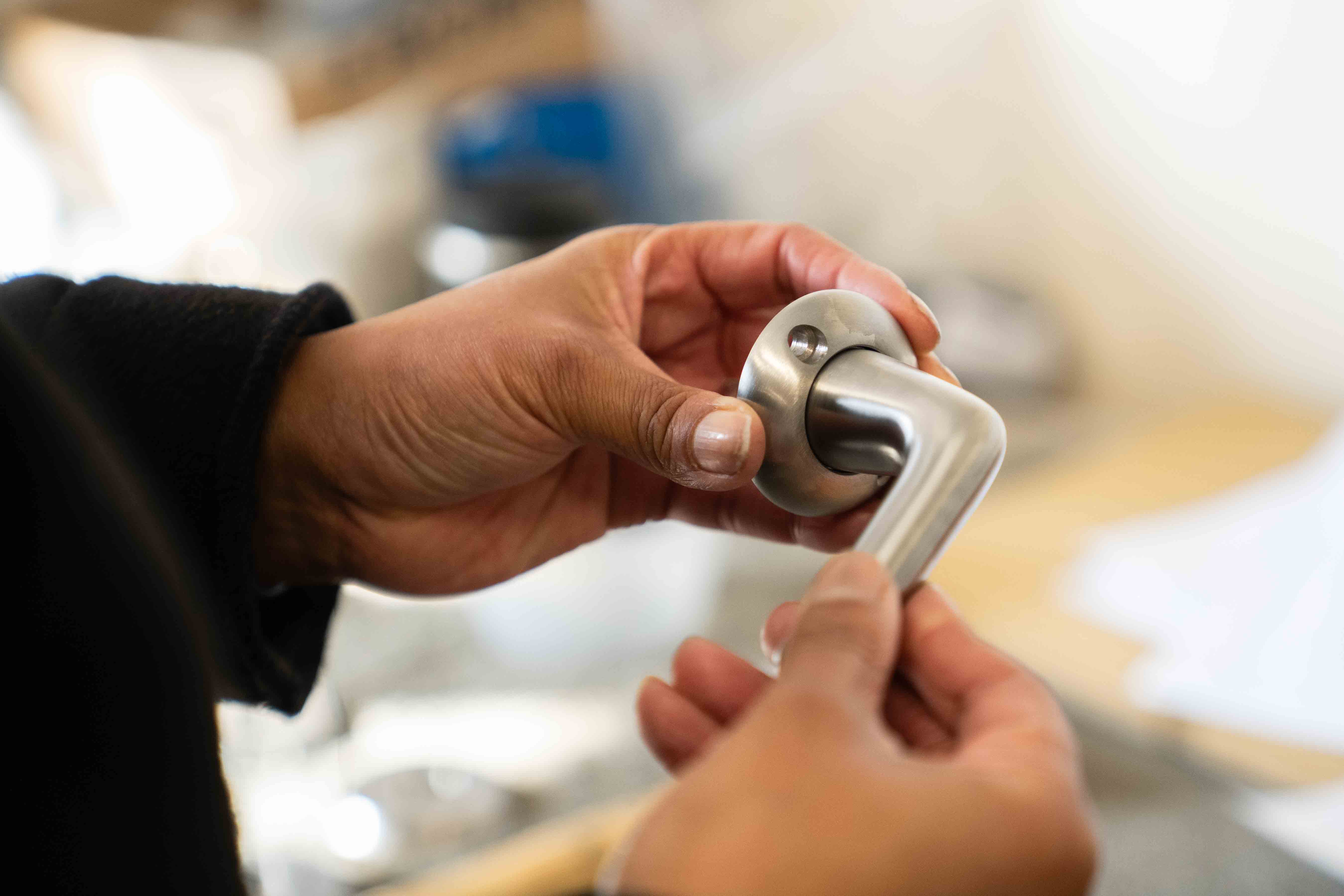
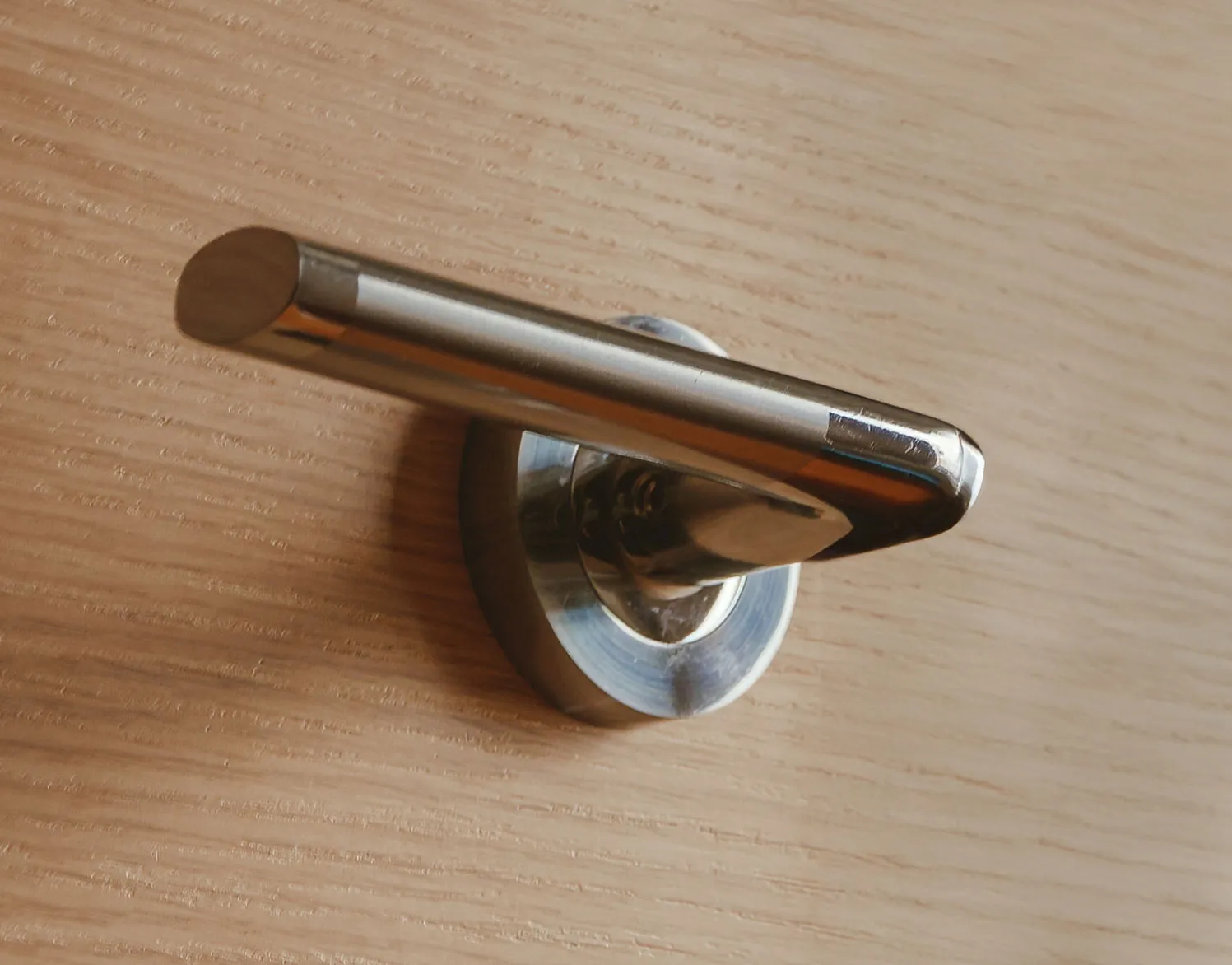
On a lever on rose handle, each lever is mounted on a small rose, usually round and sometimes square. The latch or lock is fitted separately, and if there is a keyhole or a bathroom thumbturn, it gets its own matching escutcheon or turn. The result is a clean, uncluttered look, which is why lever on rose is the usual choice for contemporary interiors and most commercial projects.

What is a lever on backplate handle?
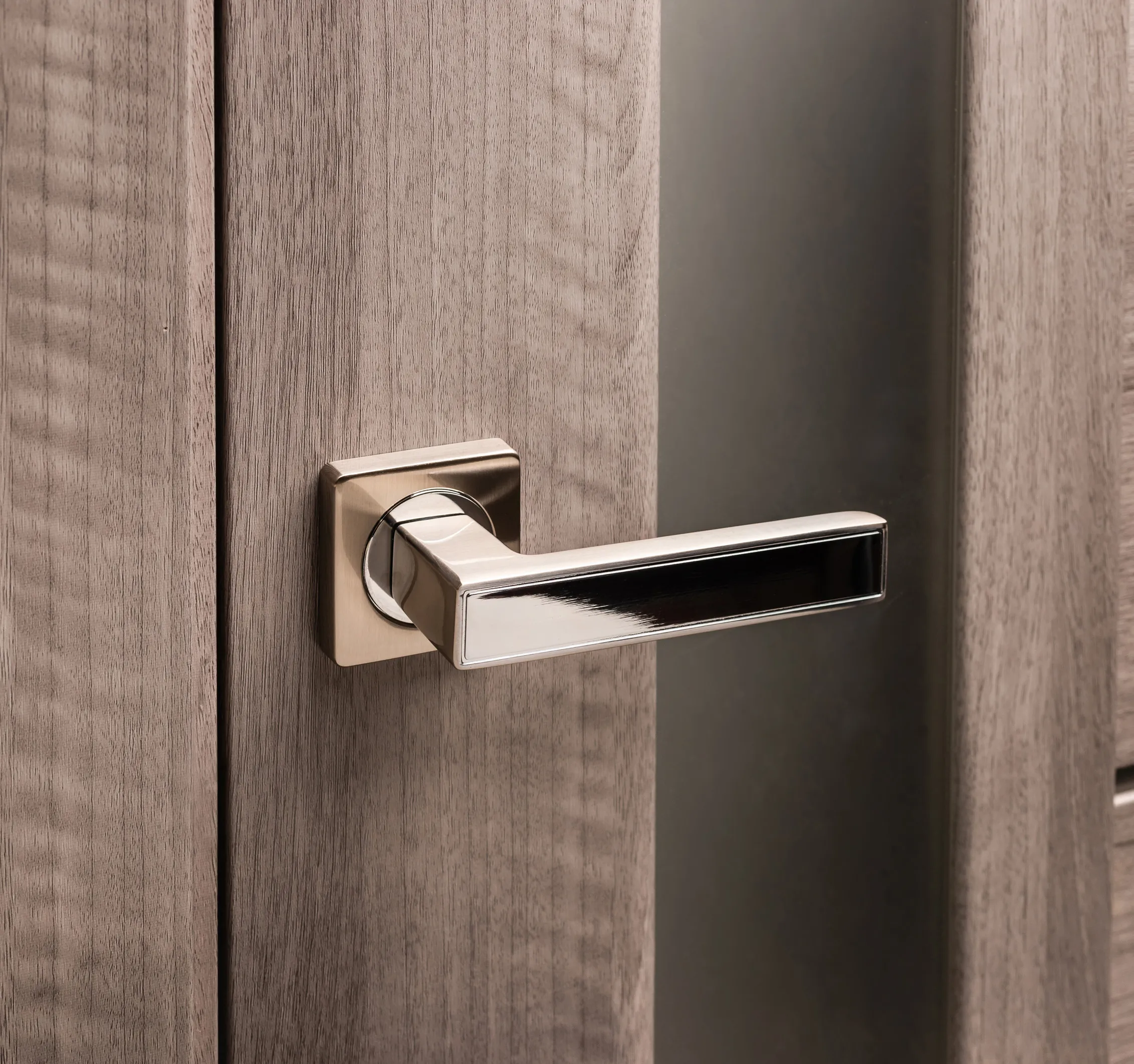
On a lever on backplate handle, the lever is mounted on a longer, usually rectangular plate. The plate can include a keyhole for a sashlock, a thumbturn for a bathroom lock, a euro profile cut-out or nothing at all for a simple latch. Backplates suit traditional and period interiors, and they are useful when replacing old hardware because the plate covers marks and holes left by previous fittings.

Side-by-side comparison
| Feature | Lever on rose | Lever on backplate |
|---|---|---|
| Look | Clean, minimal and modern | Traditional and more decorative |
| Locks and keyholes | Separate escutcheon or turn | Built into the plate |
| Covering old holes | Limited | Good, because the plate hides marks |
| Fitting on new doors | Flexible, with parts placed separately | The plate dictates the hole positions |
| Typical use | Offices, schools and modern homes | Period homes and refurbishments |
| Matching accessories | Roses, escutcheons and turns | Plates with the correct cut-out |
Which should you choose?
- New-build or contemporary interior: Choose lever on rose for a clean, consistent look.
- Period property: Lever on backplate often suits the style, especially with a sashlock and key.
- Replacing old handles: Measure the old holes first. A backplate may cover them neatly.
- Commercial or public building: Lever on rose is the common choice, with matching escutcheons and turns on doors that need them.
- Bathrooms and WCs: Either works, using a bathroom turn on a rose or a backplate with a turn built in.
Check the lock before you choose
The handle has to suit the latch or lock in the door. A plain latch only needs the spindle. A sashlock needs a keyhole as well, and a bathroom lock needs a thumbturn and release.
On backplates, the distance between the spindle and the keyhole or turn, known as the centres, has to match the lock exactly. Check the backset too, which is the distance from the edge of the door to the centre of the spindle. If the backset is too short, fingers can catch on the frame when the lever turns.
Sprung levers and quality
Whichever type you choose, look for a properly sprung lever. A spring in the rose or backplate returns the lever to level after use, so it does not droop or rely on the latch spring alone.
That matters most on busy doors, where a poorly sprung lever soon sags and the latch starts to wear. Heavier, solid handles also stay tighter on the door than lightweight ones.
Lever handles and accessibility
Lever handles are easier to use than knobs for people with limited grip or strength, which is why they are the standard choice on public buildings. Look for a lever that is comfortable to operate with a closed hand and has enough clearance from the door.
Colour contrast between the handle and the door helps people with visual impairments find it, and split finishes or powder-coated colours can provide that contrast. Our guide to door knobs vs lever handles explains this in more detail.
Fire doors
On fire doors, the handle forms part of the tested doorset, so it must be suitable for that door. Both roses and backplates can be used, provided the product is appropriate. Our guide to fire door ironmongery explains why fire-door hardware should never be chosen in isolation.
Finishes
Our lever door handles are made in Worcester and are available on roses and backplates in a wide choice of finishes. Satin stainless steel and anodised aluminium are popular for commercial work, while waxed brass, bronze, nickel and PVD finishes suit homes and hospitality.
Escutcheons, turns and other accessories are made to match, so every door looks complete and nothing needs to be sourced separately.
Lever handle FAQs
What does lever lever door handle mean?
It means a pair of lever handles, one on each side of the door, joined by a spindle. It is the standard internal door handle set in the UK.
Are backplates old-fashioned?
Not necessarily. Slim, modern backplates suit contemporary doors too, but backplates are more commonly chosen for traditional and period interiors.
Can I swap backplate handles for rose handles?
Often, yes, but the old holes may show. Measure the existing holes and fixings before you order, or ask your ironmonger to check.
Which is better for a bathroom door?
Either type works. Use a lever on rose with a separate bathroom turn, or a backplate with the turn built in.
Do lever handles come in pairs?
Yes. Lever handle sets are supplied as pairs for both sides of the door, with the required fixings.
Can I buy direct from Dortrend?
We supply through architectural ironmongers. Contact us and we will point you to a stockist.
Need help choosing?
Call 01299 827837 or contact our team with the details of your doors, and we will help you choose the right lever handles.