How to Match or Recreate Original Door Hardware in Period Buildings
To replace original door hardware in a period building, start by recording what survives: photograph it, measure it and keep any broken pieces. A manufacturer can then recreate the design from a sample, photographs or archive drawings and match the old finish with hand-applied patinas. On listed buildings, check with the conservation officer before removing or replacing original fittings.
Original door handles, knobs and plates are part of what gives an old building its character. When they are worn, broken or missing, fitting something that is almost right can stand out far more than you might expect.
This guide explains how to approach matching or recreating period hardware and where bespoke ironmongery can help.
Step 1: record what you have
Before anything is removed, photograph every surviving piece in place. Take photographs from the front and side, with a ruler or measuring tape visible for scale.
Record:
- The door from which each piece was removed
- The type of lock or latch fitted to the door
- The overall dimensions and fixing centres
- Any marks, stamps or manufacturer’s names on the back
- The colour, texture and condition of the existing finish
Keep broken parts, even small ones. A damaged original is far more useful to a manufacturer than a written description.
Step 2: check what is permitted
If the building is listed or located within a conservation area, its original fixtures may be protected.
Speak to the local authority’s conservation officer before removing or replacing historic hardware. Listed-building consent may be required for changes that affect the building’s architectural or historic character.
Recreating missing pieces to match surviving originals will usually preserve more of the building’s character than replacing every fitting with something new.
Step 3: decide whether to repair, match or recreate
| Situation | Usual approach |
|---|---|
| Original is sound but worn | Clean and refinish it where appropriate |
| Original is broken | Repair it where possible or recreate it from the surviving pieces |
| Some pieces are missing | Recreate the missing pieces to match the surviving originals |
| New doors are being added to an old building | Make new hardware in a complementary period style |
| Nothing survives | Develop the design from archive drawings, old photographs or similar buildings |
How period door hardware is recreated
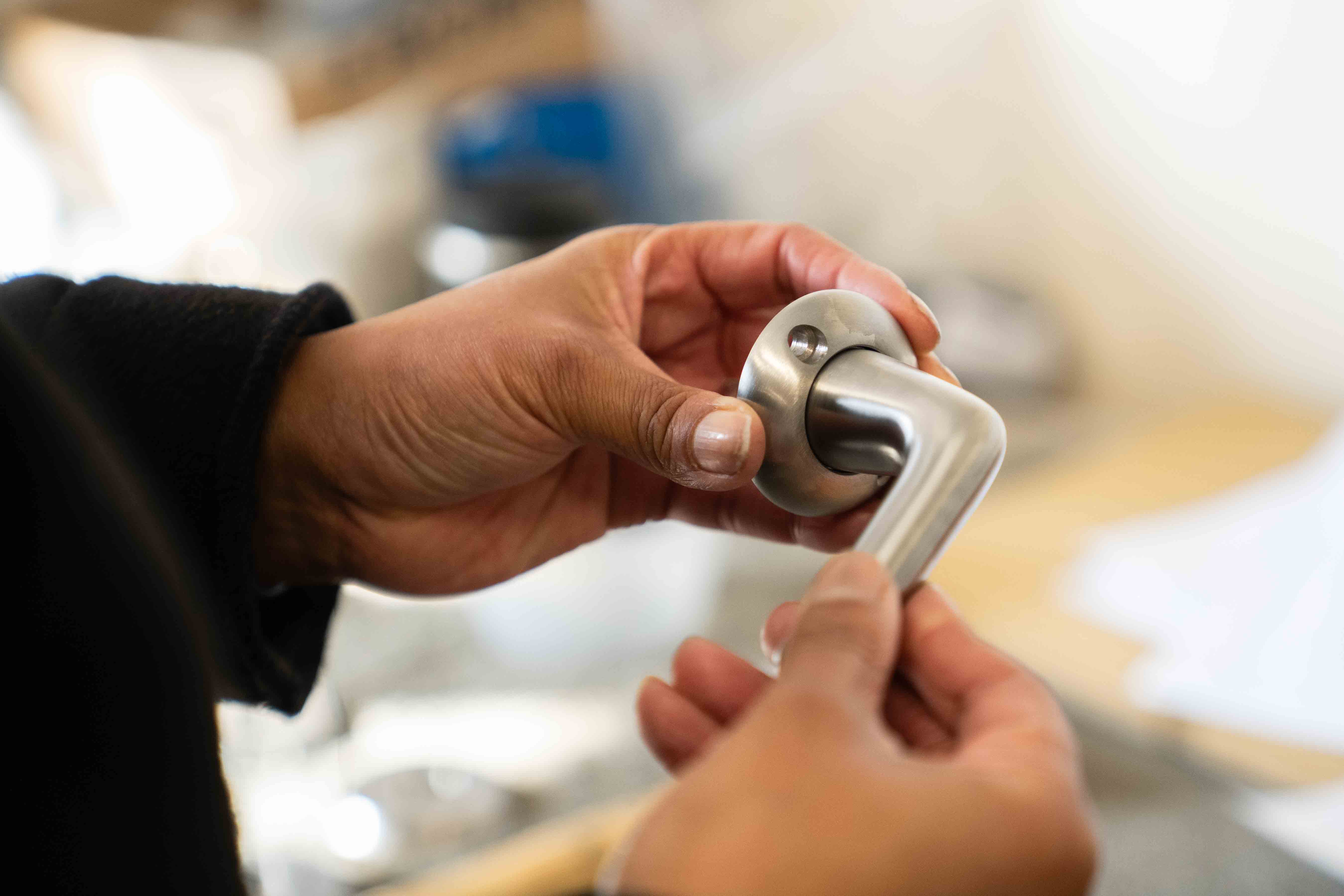
A bespoke manufacturer can recreate period hardware from a physical sample, photographs or drawings.
At Dortrend, the design can be modelled in CAD before a full-size prototype is 3D printed. This allows its dimensions and proportions to be checked against the original before the final component is machined from solid metal at our Worcester factory.
Read more about how bespoke door handles are made.
Matching an old finish
Matching the shape is only half the job. Old brass and bronze develop a colour and depth that come with age, and a bright new fitting placed beside a century-old door knob can immediately look out of place.
Hand-applied patinas allow the tone of the new hardware to be adjusted, from lightly aged antique brass to dark bronze. This helps new pieces sit comfortably alongside the surviving originals.
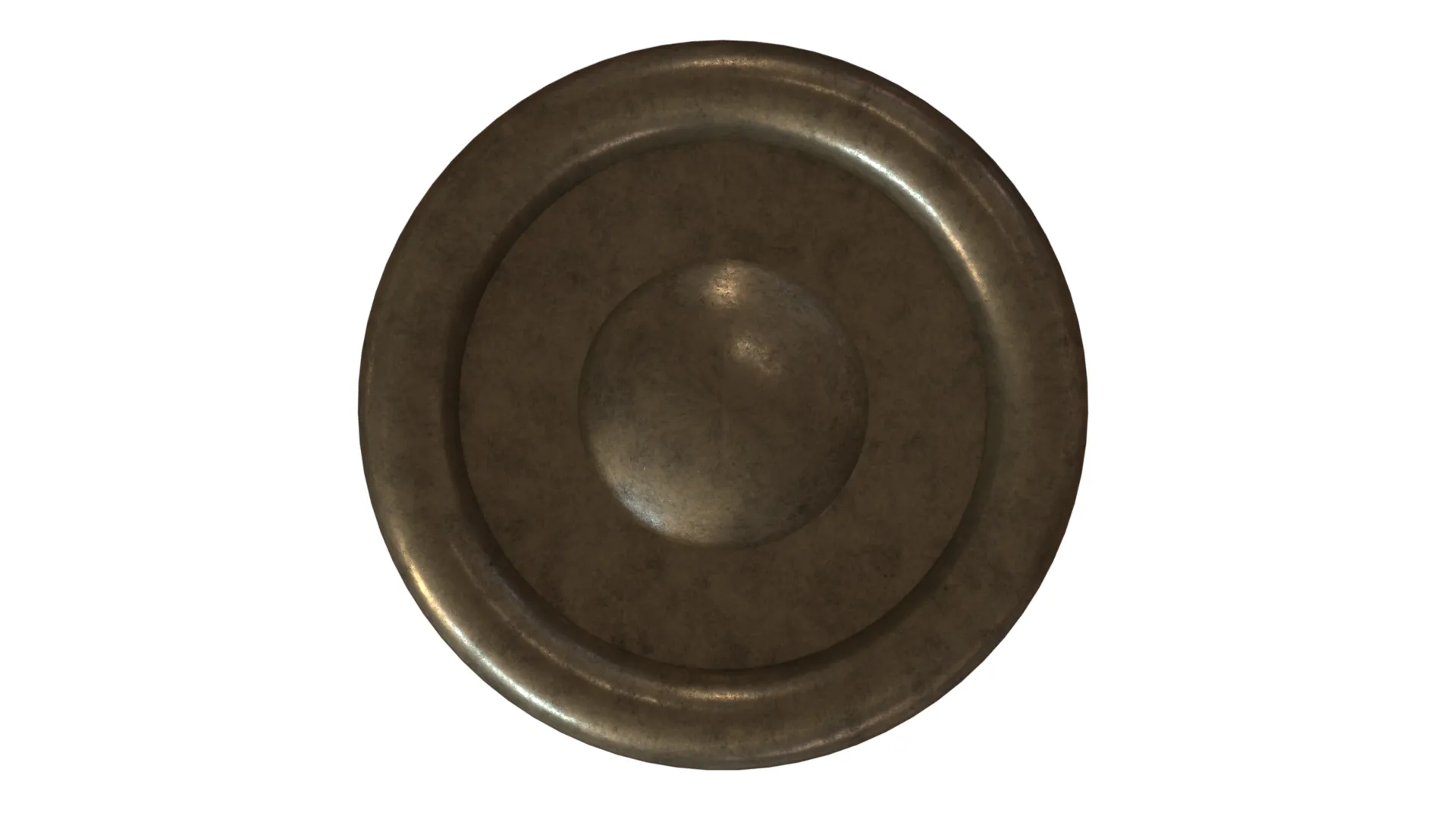
Living finishes will continue to change naturally after installation, helping the replacement hardware develop alongside the existing fittings. Visit our door-hardware finishes page to see the available options.
Matching more than the handles
Period doors rarely have only a handle. Knobs, backplates, escutcheons, finger plates, centre door knobs and cabinet hardware may all need to coordinate.
Bespoke ironmongery can cover the complete set so every piece shares the same proportions, detailing and finish. If only the handles need to be reproduced, explore our bespoke door handles.
Fire doors and modern requirements
Older doors are sometimes upgraded or replaced to meet current fire-safety requirements. When this happens, the hardware must be suitable for the tested doorset, even when it has been designed to look like a period fitting.
Recreated hardware should be developed with modern functional and performance requirements in mind from the beginning. This allows the doors to remain safe while preserving the visual character of the building.
Tips for a successful restoration
- Bring the hardware manufacturer into the project before doors are rehung or redecorated.
- Send the original fitting wherever possible instead of relying only on photographs.
- Photograph and measure every fitting before it is removed.
- Approve a finished sample against the surviving hardware in natural daylight.
- Order a small number of spares while the original specification and finish are still available.
- Check modern requirements, including fire-door requirements, on any doors that have been upgraded.
Period door-hardware FAQs
Can you recreate a handle from a photograph?
Often, yes, particularly when clear measurements are provided. However, a physical sample will normally produce the most accurate result.
Will the new hardware look obviously new?
Not when the finish is matched properly. Hand-applied patinas can give new pieces the colour and depth of aged brass or bronze.
Do I need permission to replace handles in a listed building?
Possibly. Check with the local conservation officer before removing or replacing original fittings because listed-building consent may be required.
Can you match a complete set of door furniture?
Yes. Handles, knobs, backplates, escutcheons, finger plates and cabinet hardware can all be designed and finished to match.
Can you work from archive drawings?
Yes. Original drawings, old catalogues and photographs of the building or similar properties can all provide a starting point.
Is bespoke ironmongery only used in listed buildings?
No. It is also used in new homes, hotels, offices and other projects where standard hardware does not suit the design or the doors.
Discuss your restoration project
Call 01299 827837 or contact the Dortrend team with photographs of the original hardware, and we will explain what is possible.